 how-to
What to Drink to Sleep Quickly: 7 Evidence-Based Drinks
Table of Contents
- What to Drink to Sleep Quickly: How Fast Each Option Works
- Best Bedtime Drinks for Sleep, Ranked by Evidence
- Chamomile Tea for Sleep: What the Research Shows
- Valerian, Lemon Balm, and Passionflower Tea: Stronger Herbal Options
- How Long Before Bed to Drink Tea (and Other Timing Rules)
- What to Avoid Drinking Before Bed
- Safety, Interactions, and When to Seek Medical Help
- Conclusion: Building a Bedtime Drink Routine That Works
- Frequently Asked Questions
Last Updated: October 7, 2026
What to Drink to Sleep Quickly: How Fast Each Option Works
No drink to sleep works instantly. A warm, caffeine-free drink to sleep can support relaxation within 30 to 60 minutes, but works best as part of a wind-down routine.
Sleep onset depends on light, timing, body temperature, and late-evening fluid intake. A drink can nudge those levers, but cannot override a racing mind or a 9pm espresso.
Below, we rank seven bedtime drinks by evidence strength, how fast each may work, how to prepare it, and who should skip it.
Best Bedtime Drinks for Sleep, Ranked by Evidence
| Rank | Drink | Time Before Bed | Evidence Strength | Watch Out For |
|---|---|---|---|---|
| 1 | Chamomile tea | 30-45 min | Moderate | Ragweed allergy |
| 2 | Warm milk | 45-60 min | Moderate | Lactose intolerance |
| 3 | Tart cherry juice | 60-90 min | Moderate | Sugar, fluid volume |
| 4 | Valerian tea | 60 min | Mixed | Sedative interactions |
| 5 | Lemon balm or passionflower | 30-60 min | Mixed | Drowsiness |
| 6 | Banana-based drinks | 45-60 min | Limited | Sugar, calories |
| 7 | Almond milk | 30-45 min | Limited | Low protein |
Warm Milk and Tryptophan
Warm milk is the classic answer, and the science is modest but real. Milk contains tryptophan, an amino acid used to build serotonin and melatonin.
The catch: tryptophan in one glass is small and competes with other amino acids for brain entry, so the calming effect is likely a mix of small chemistry and strong ritual.
Practical notes:
- Use about 200ml, not a giant mug
- Keep it unsweetened or lightly sweetened
- Drink it 45 to 60 minutes before bed
- If dairy bothers you, see the almond milk section below
Tart Cherry Juice and Melatonin
Tart cherry juice is one of the few bedtime drinks with measurable melatonin. Montmorency cherries contain melatonin and polyphenol antioxidants.
The melatonin dose is small and varies by batch, so results are inconsistent, promising but gentle rather than dramatic.
Two warnings: cherry juice is sugary, and a sugar spike near bedtime can work against you; and its fluid volume means a 250ml glass at 9pm may cost more sleep than it gives if you already wake to use the bathroom.
Banana-Based Drinks and Magnesium
Bananas bring magnesium and potassium, two minerals involved in muscle relaxation, and blended with milk make a more filling drink than tea.
Be realistic: banana drinks are a reasonable food-based option, but the magnesium in one banana is not a sleep treatment. Think of it as a light, calming snack in liquid form.
- Blend one small banana with 200ml milk or almond milk
- Add a pinch of cinnamon, skip added sugar
- Drink 45 to 60 minutes before bed
- Keep portions small to limit nighttime urination
Chamomile Tea for Sleep: What the Research Shows
Chamomile tea for sleep has the best-known reputation of any bedtime drink, and the research is moderate rather than spectacular. Chamomile contains apigenin, which binds to brain receptors linked to calm and drowsiness.
Small studies on chamomile extracts have found modest sleep-quality improvements in some adults, though results vary. The evidence supports chamomile as a mild, well-tolerated calming agent, not an insomnia treatment (Srivastava et al., 2010).
How to get the most from it:
- Steep one tea bag or a teaspoon of dried flowers in hot water for 5 to 10 minutes
- Cover the cup while it steeps to keep the volatile oils in
- Drink it 30 to 45 minutes before bed
- Skip it if you have a ragweed or daisy-family allergy
Valerian, Lemon Balm, and Passionflower Tea: Stronger Herbal Options
Valerian (Valeriana officinalis). Valerian root has the longest history and most study, but the most inconsistent results.
Lemon balm (Melissa officinalis). Lemon balm is traditionally used for restlessness and mild tension, often blended with valerian rather than taken alone.
Passionflower (Passiflora incarnata). Small trials suggest passionflower may support sleep quality, and it is often compared in research to short-acting sedatives rather than placebo.
None of these herbs treats insomnia or works like a prescription sleep aid.
How to prepare and use them:
- Valerian root tea: 1 to 2 teaspoons of dried root per cup, steeped covered for 10 to 15 minutes. The taste is earthy and strong; many people blend it with peppermint or lemon balm.
- Lemon balm tea: 1 to 2 teaspoons of dried leaf per cup, steeped covered for 5 to 10 minutes. Much milder and more pleasant on its own.
- Passionflower tea: 1 teaspoon of dried herb per cup, steeped covered for 5 to 10 minutes.
- Timing: 60 minutes before bed for valerian and valerian blends, 30 to 60 minutes for lemon balm and passionflower alone.
Safety and interactions matter more here than with chamomile:
Herb Pharm - Relaxing Sleep Tonic - 1 Each-1 Fz →
- Do not combine valerian, lemon balm, or passionflower with alcohol, benzodiazepines, sleep medications, or other sedatives. The combined effect on alertness can be stronger than expected.
- Valerian has been associated with rare reports of liver-related concerns, so anyone with a liver condition should check with a clinician before using it.
- Passionflower and valerian are generally not recommended during pregnancy or breastfeeding without medical guidance.
- Stop any herb that leaves you groggy, foggy, or unsteady the next morning. Daytime sedation is a sign the dose or the herb is not right for you.
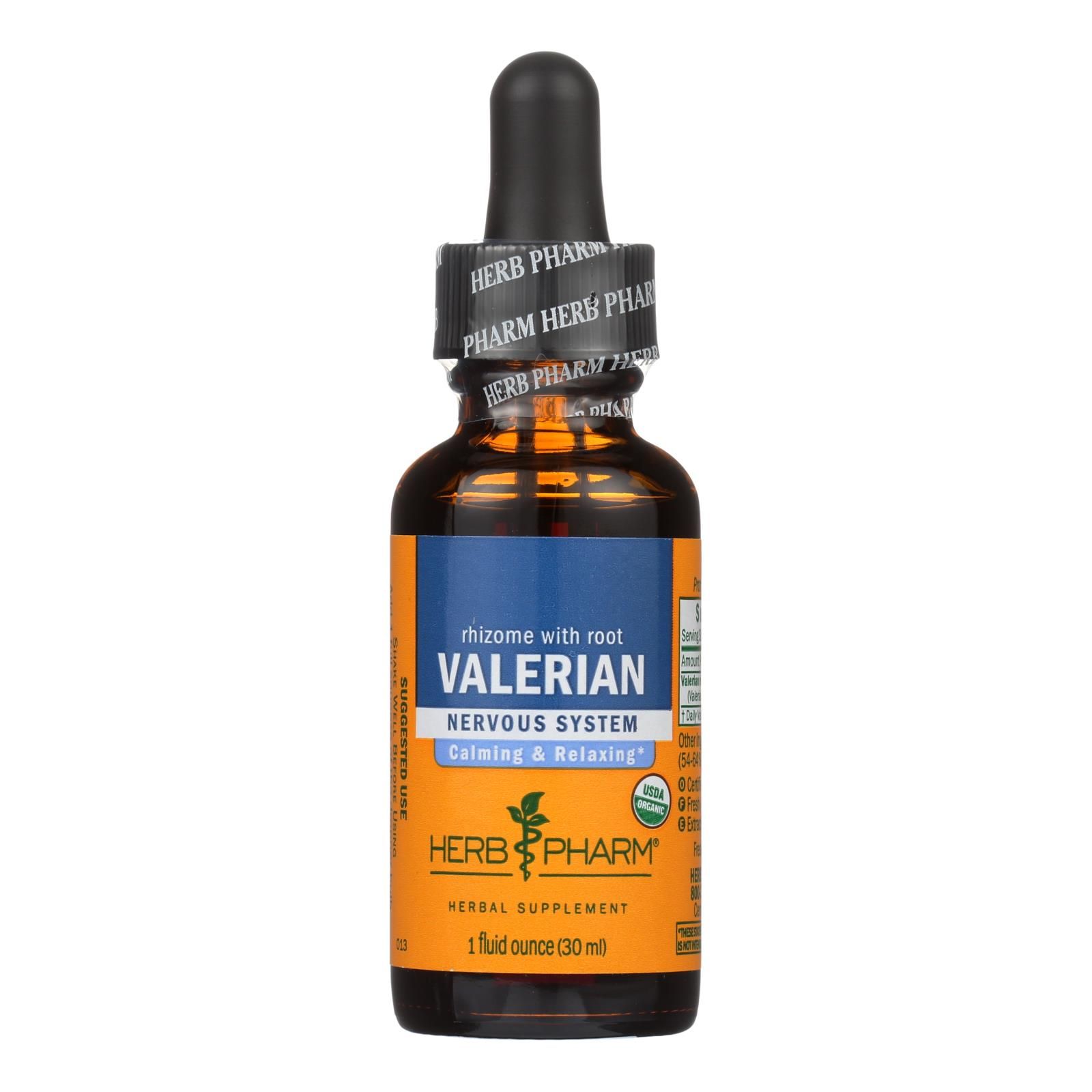
Ready-made extracts and tinctures are an option, typically taken about an hour before bed. Read the label for the herb, amount per serving, and any alcohol or glycerin base, and follow the same safety rules above.
How Long Before Bed to Drink Tea (and Other Timing Rules)
How long before bed to drink tea depends on the herb, but 30 to 60 minutes is the practical window for most people, enough time for the drink to work while leaving a gap to empty your bladder.
Timing by drink type:
- 30 to 45 minutes: chamomile, lemon balm, passionflower, almond milk
- 45 to 60 minutes: warm milk, banana drinks, valerian blends
- 60 to 90 minutes: tart cherry juice, because of the sugar and volume
Serving size and fluid volume. A bedtime drink is a cue, not a hydration goal. Keep the total under about 250ml (one small mug).
Preparation details that change the result:
- Cover the cup while steeping. Volatile oils in chamomile, lemon balm, and passionflower escape with steam. A saucer or lid over the mug keeps more of them in the tea.
- Steep times vary by herb. Delicate leaves like lemon balm need 5 to 10 minutes; roots like valerian need 10 to 15. Over-steeping roots makes them bitter without adding benefit.
- Warm the mug first. Rinsing the mug with hot water before adding tea keeps the drink hot longer, so you sip it slowly instead of rushing it, the slow sip is part of the ritual.
- Skip added sugar and honey at night. A sugar spike close to bedtime can trigger middle-of-the-night waking, which defeats the purpose.
Match the drink to why you cannot sleep:
- Racing mind or tension: chamomile, lemon balm, or passionflower, 30 to 45 minutes before bed, as part of an earlier wind-down.
- Hunger or a light stomach: a small banana-based drink or warm milk, 45 to 60 minutes before bed, one small serving.
- Habit or ritual gap: any warm, caffeine-free drink at the same time each night, consistency is the active ingredient.
- Caffeine still in your system: no drink fixes this. Move your caffeine cut-off to early afternoon.
- Persistent insomnia: a drink is not the answer. See the safety section below.
The last bathroom trip. Build it into the routine: drink, wait, then use the bathroom right before bed, every time. This habit prevents more sleep disruption than any herb on this list.
What to Avoid Drinking Before Bed
Knowing what to avoid drinking before bed matters as much as knowing what to drink.
- Caffeine: coffee, black and green tea, cola, energy drinks. Caffeine has a long half-life, so an afternoon cup can still be active at bedtime.
- Alcohol: it may make you drowsy, but it fragments sleep in the second half of the night.
- Sugary drinks: soda, sweetened juice, and flavored syrups can spike blood sugar and trigger middle-of-the-night waking.
- Large volumes of any fluid: a big bottle of water at 10pm is a guaranteed bathroom trip at 3am.
- Very spicy or acidic warm drinks: they can trigger reflux when you lie down.
If you are switching from caffeinated tea, give yourself a cut-off of early afternoon. Green tea is often marketed as gentle, but it still contains caffeine. Caffeine-free herbal blends are the safer evening choice.
Safety, Interactions, and When to Seek Medical Help
Safety comes before results with herbs, teas and extracts are not risk-free just because they are natural.
Key cautions:
- Valerian and other sedative herbs can interact with sleeping pills, anti-anxiety medication, and some antidepressants
- Do not use sedative herbs during pregnancy without medical advice
- California poppy carries a specific caution during pregnancy
- Stop any herb that leaves you foggy or unsteady the next day
- Keep all extracts and teas out of reach of children
Talk to a doctor or pharmacist before adding any herbal sleep product if you take prescription medication, have a liver condition, or are breastfeeding.
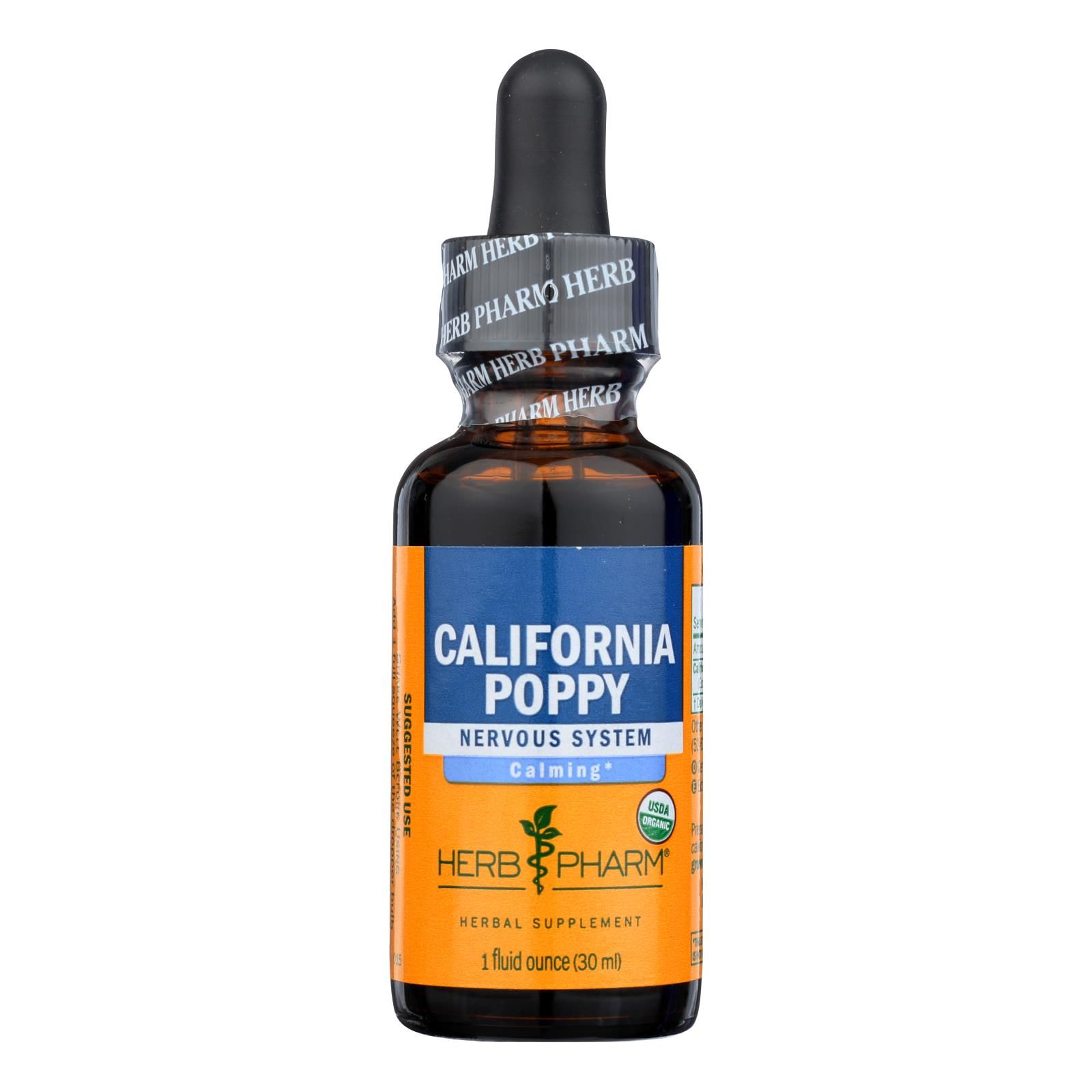
Know when a drink is not the answer. If you have struggled to sleep more than three nights a week for more than three months, or sleepiness affects your driving or work, that is a medical conversation, not a tea problem.
Conclusion: Building a Bedtime Drink Routine That Works
The drink is only one part of the routine. Pick one option, keep the volume small, and drink it at the same time every night for two weeks before judging it.
If you would rather not blend your own herbs, THEOS Wellness curates a focused collection of extracts and herbals with clear ingredient and safety information on every product page.
Frequently Asked Questions
What is the best drink to make you fall asleep?
There is no single best drink, but the strongest evidence supports tart cherry juice and valerian-containing herbal teas. Tart cherry juice provides natural melatonin and has been linked to improved sleep onset in small trials. Valerian, often combined with lemon balm or passionflower, is traditionally used to relieve occasional sleeplessness. Chamomile tea is a gentler option. The right choice depends on whether your sleeplessness comes from tension, a racing mind, or a disrupted routine.
Is chamomile tea good to drink before bed?
Chamomile tea is a mild, well-tolerated option for a bedtime routine. Some small studies suggest it may support relaxation and sleep quality, though the evidence is not as strong as for valerian or tart cherry juice. It contains no caffeine, so it will not disrupt sleep. If you have a ragweed allergy, check with a healthcare provider first.
How long before bed should I drink tea to sleep quickly?
Aim for 30 to 45 minutes before bed. This gives the herbs time to take effect while leaving enough time to use the bathroom before lying down. Drinking a large mug right before getting into bed increases the chance of nighttime urination, which fragments sleep. If you use a tincture such as Herb Pharm Relaxing Sleep Tonic, the label suggests taking it one hour before bed and again at bedtime.
What drinks should you avoid before bedtime?
Avoid coffee, black and green tea, cola, energy drinks, and alcohol within four to six hours of bed. Caffeine blocks sleep onset, and alcohol may help you fall asleep faster but disrupts sleep quality later in the night. Sugary drinks and large volumes of any liquid close to bedtime can also cause blood sugar swings or nighttime urination. Water is fine in small amounts, but not a large glass right before bed.
References
Srivastava, J. K., Shankar, E., & Gupta, S. (2010). Chamomile: A herbal medicine of the past with a bright future. Molecular Medicine Reports, 3(6), 895-901.