 ultimate-guide
Safe Herbal Immunity Boosters for Children: A 2026 Guide
Table of Contents
- Why Herbal Immunity Support Matters for Children
- Zinc and Vitamin C for Immunity Benefits: The Foundation
- Top Herbal Remedies for Immune Support in Children
- Pediatric Herbal Safety Guidelines: What Every Parent Should Know
- Natural Immune Support for School-Aged Children: Practical Routines
- Whole Foods and Lifestyle Habits That Strengthen Immunity
- When to Consult Your Pediatrician
- References
- Frequently Asked Questions
Last Updated: October 4, 2026
Why Herbal Immunity Support Matters for Children
Building a strong immune system early in life sets the foundation for long-term health. Children face constant exposure to viruses, bacteria, and seasonal challenges, especially during school months when they're in close contact with peers.
Parents increasingly seek evidence-based herbal options that complement pediatric care.
Zinc and Vitamin C for Immunity Benefits: The Foundation
Zinc and vitamin C stand as the two most researched micronutrients for immune support. These aren't new discoveries, they're foundational nutrients that every child's body needs for proper immune response.
Zinc enables immune cell development and function; vitamin C protects immune cells and supports white blood cell production.
Citrus, berries, leafy greens, meat, shellfish, legumes, and seeds supply these nutrients, but most children don't consume enough consistently.
Whole foods deliver these nutrients alongside supporting compounds; when whole foods fall short, quality supplements bridge the gap.
Top Herbal Remedies for Immune Support in Children
Some herbal remedies are supported by rigorous clinical trials; others rely on traditional use without modern validation. Understanding this distinction helps parents make informed choices.
Echinacea: Clinical Evidence and Optimal Use Timing
Evidence rating: Moderate clinical support
Echinacea angustifolia and Echinacea purpurea reduce the duration and severity of upper respiratory infections when started within 24-48 hours of symptom onset.
Children using echinacea experienced symptom duration reductions of 1-2 days compared to placebo (Brinkeborn et al., 1999). Effectiveness depends on timing: starting after day 3 shows minimal benefit, making echinacea best for reactive support during vulnerable seasons, not year-round prevention.
Practical dosing for children:
- Ages 4-7: 5-10 drops of glycerite extract three times daily during vulnerable periods (not year-round)
- Ages 8-12: 10-15 drops three times daily
- Duration: Use for 7-10 days during active illness risk; discontinue after symptoms resolve
Allergen alert: Echinacea belongs to the Asteraceae (ragweed) family. Children with ragweed allergies, birch pollen sensitivity, or chamomile reactions should avoid it (cross-reactivity: 1-3% general population, 10-15% in ragweed-sensitive children).
Astragalus: Traditional Tonic with Emerging Clinical Support
Evidence rating: Traditional use with growing clinical interest
Astragalus membranaceus functions as a nutritive tonic supporting baseline immune resilience over weeks and months, unlike echinacea's acute response. Traditional Chinese medicine has used it for centuries; modern research is beginning to validate this role.
Studies suggest astragalus enhances immune cell proliferation and immunoglobulin production, supporting sustained immune function (Sun et al., 2013). Clinical trials in children remain limited; most evidence comes from adult studies, making astragalus a traditional use with promising signals.
Practical dosing for children:
- Ages 4-7: One weak tea infusion (one tea bag steeped 5-7 minutes) once daily
- Ages 8-12: One standard tea infusion once or twice daily
- Duration: Use consistently throughout high-risk seasons (fall/winter), not episodically
Allergen alert: Astragalus is a legume. Children with peanut or tree nut allergies may theoretically cross-react, though true astragalus allergy is extremely rare.
Ginger: Anti-Inflammatory Support with Broad Safety
Evidence rating: Moderate clinical support for inflammation and nausea
Ginger (Zingiber officinale) offers anti-inflammatory benefits that indirectly support immune health. Its gingerols and shogaols reduce inflammatory markers without suppressing immune activity.
Ginger reduces nausea and supports digestive health during illness recovery; some studies suggest it may reduce respiratory infection symptom severity.
Practical dosing for children:
- Ages 4-7: 1-2 thin slices of fresh ginger steeped in hot water, or 2-3 drops of ginger extract, once daily
- Ages 8-12: 3-5 thin slices of fresh ginger steeped in hot water, or 5-10 drops of extract, once or twice daily
- Culinary amounts (ginger in food) are safe at any age
Allergen alert: True ginger allergy is rare. Some children with nightshade sensitivities (tomato, pepper) may experience mild cross-reactivity, though this is uncommon.
Evidence-Based Efficacy Summary
| Herb | Evidence Level | Best Use | Duration | Age Suitability |
|---|---|---|---|---|
| Echinacea | Moderate clinical support | Reactive: start within 24-48 hours of symptoms | 7-10 days during illness | Ages 4+ |
| Astragalus | Traditional use + emerging research | Preventative: consistent use during high-risk seasons | Weeks to months | Ages 4+ |
| Ginger | Moderate support for inflammation | Supporting herb: reduces symptom severity | Ongoing or as needed | Ages 2+ |
Echinacea stimulates acute immune response (useful reactively); astragalus supports baseline resilience (useful preventatively). Choose echinacea for seasonal vulnerability periods, astragalus for consistent long-term support, and ginger as anti-inflammatory complement.
Pediatric Herbal Safety Guidelines: What Every Parent Should Know
Children's bodies process herbs differently than adults, and safety considerations shift across developmental stages. Age-appropriate dosing, allergen awareness, and drug interaction screening prevent harm.
Age-Specific Dosing Brackets
Toddlers (ages 1-3): Most herbal products lack pediatric safety data below age 2.
Preschool and Early School (ages 4-7): Echinacea glycerite extracts: 5-10 drops three times daily; astragalus tea: one tea bag once daily.
School-Aged Children (ages 8-12): Echinacea extracts: 10-15 drops three times daily; astragalus tea: twice daily. Capsule formulas: 250-500 mg once daily.
Always use products formulated and labeled for your child's specific age range, and follow package directions precisely.
Allergen Awareness and Cross-Reactivity Risks
Always read full ingredient lists before introducing any herbal product. If your child has documented food allergies or environmental allergies, discuss the specific herb's botanical family with your pediatrician before use.
Drug Interactions and Medication Contraindications
Echinacea interactions: May reduce immunosuppressant effectiveness or interact with antivirals. Contraindicated without pediatrician approval if child takes these medications.
Astragalus interactions: Can potentiate immunosuppressant effects. Children on autoimmune medications should not use astragalus without medical oversight.
Quality, Sourcing, and Contamination Risk
Herbal product quality varies dramatically. Contamination with heavy metals, pesticides, or microbial pathogens poses real risk.
Third-party testing: Look for NSF International, USP, or ConsumerLab certifications verifying ingredient identity, potency, and absence of contaminants.
Reputable manufacturers: Established herbal companies with transparent sourcing and quality control are safer than unknown brands or unregulated sellers.
Storage, Shelf Life, and Potency Degradation
Storage best practices: Keep herbal extracts in cool, dark places. Refrigerate liquid extracts. Store dried herbs in airtight containers away from sunlight.
Shelf life: Herbal extracts remain potent 2-3 years; dried herbs 1-2 years. Always check expiration dates.
Natural Immune Support for School-Aged Children: Practical Routines
Building immunity is a consistent routine combining nutrition, lifestyle, and targeted herbal preparation.
Morning routines: Start with breakfast including protein and vitamin C (eggs with orange slices, yogurt with berries, oatmeal with seeds).
Midday practices: Pack whole foods and water. A refillable water bottle with reminders makes hydration automatic during school.
Weekly planning: Prep simple foods on Sunday (wash berries, portion nuts, cut vegetables). Visible, ready options remove the willpower burden from daily decisions.
Whole Foods and Lifestyle Habits That Strengthen Immunity
Herbs and supplements amplify what whole foods and lifestyle already provide.
Sleep enables cytokine production that coordinates immune response. Sleep enables cytokine production that coordinates immune response (Sleep and immune function).
Physical activity increases circulation and supports lymphatic drainage. Daily active play works as well as structured athletics.
Stress management buffers cortisol's immune-suppressing effects. Nature time, creative play, and family connection cost nothing and require only consistency.
| Immune Support Strategy | Primary Benefit | Implementation |
|---|---|---|
| Whole foods (colorful vegetables, proteins, healthy fats) | Delivers micronutrients and phytonutrients | Include at 2-3 meals daily |
| Sleep (8-10 hours nightly) | Enables immune cell production and cytokine release | Consistent bedtime routine |
| Physical activity (30+ minutes daily) | Supports circulation and lymphatic function | Playground time, sports, family walks |
| Hydration (6-8 glasses water daily) | Transports nutrients and supports lymphatic drainage | Refillable water bottle at school |
| Stress management (nature time, creative play) | Reduces cortisol's immune-suppressing effects | 15-20 minutes daily unstructured time |
| Herbal support (seasonal use) | Amplifies body's natural defenses | Echinacea during vulnerable periods, astragalus as tonic |
When to Consult Your Pediatrician
Knowing when herbal support ends and medical care begins protects your child and prevents serious illness from progressing unaddressed.
Consult your pediatrician before starting any herbal preparation if your child:
- Takes prescription medications (potential interactions)
- Has diagnosed allergies or sensitivities
- Has autoimmune or chronic health conditions
- Is under age 2 (most herbal products lack pediatric safety data for infants)
- Is pregnant or breastfeeding (if applicable)
Seek immediate medical care if your child develops:
- High fever (over 103°F or 39.4°C)
- Difficulty breathing or chest pain
- Severe lethargy or confusion
- Symptoms lasting more than 10 days
- Signs of serious infection (swollen lymph nodes, persistent cough, ear pain)
Herbal immunity boosters for children support prevention and mild seasonal wellness. They don't treat infections, cure illness, or replace antibiotics when bacterial infections are present. The distinction matters: prevention is herbal support's strength; treatment is medicine's domain.
Your pediatrician remains your primary resource. Bring a list of any herbal products you're using to appointments. Many pediatricians now welcome this information and can help integrate herbal support with conventional care.
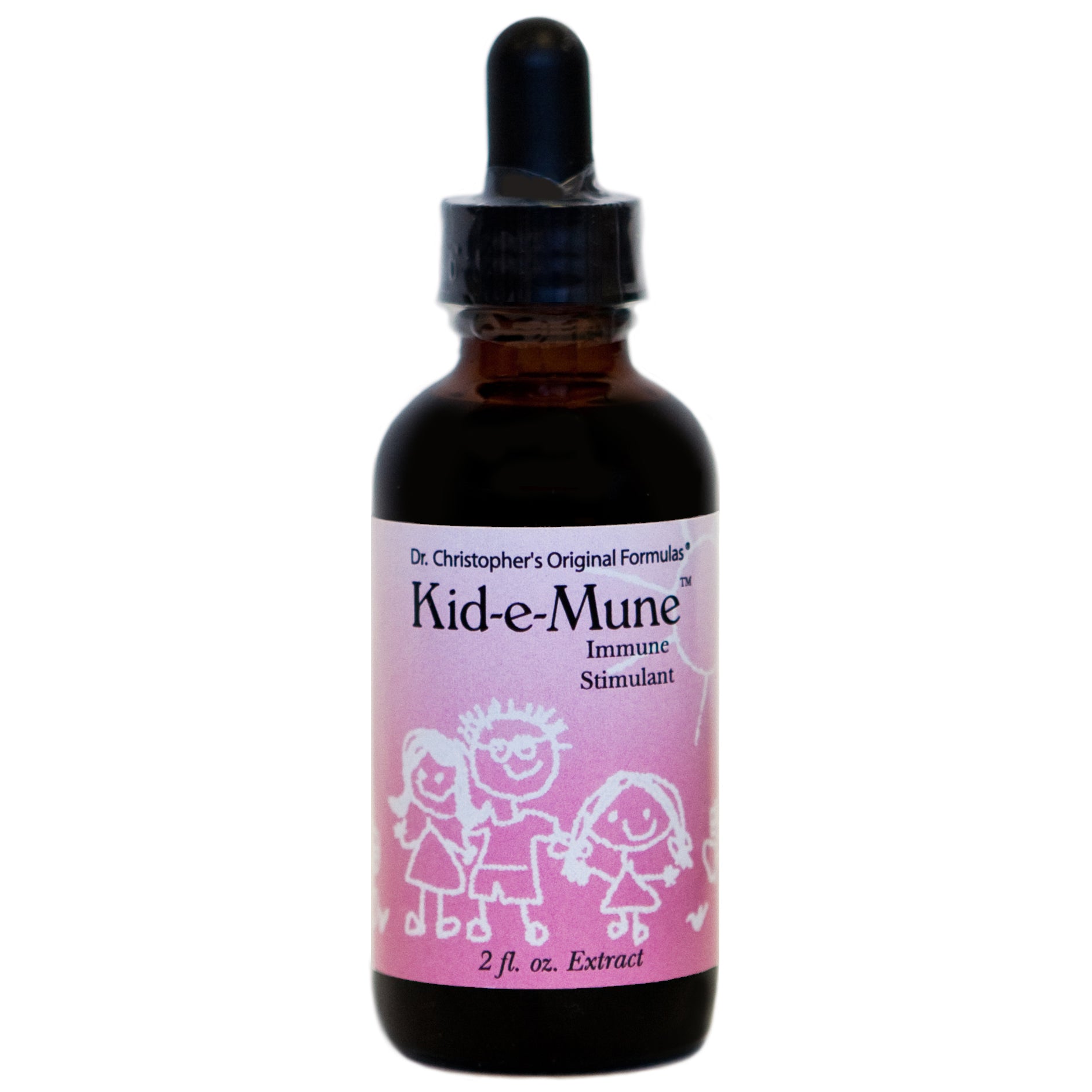
Safe herbal immunity boosters for children work best as part of a comprehensive approach, whole foods, adequate sleep, physical activity, stress management, and targeted herbal support during vulnerable seasons. THEOS Wellness simplifies this by curating high-quality herbal products specifically selected for children's wellness, including options like Kid-E-Mune Extract and Health King Astragalus Tea.
References
Brinkeborn, R. M., Shah, D. M., & Degenring, F. H. (1999).
Guo, R., Canter, P. H., & Ernst, E. (2007). A systematic review of randomised clinical trials of individualised herbal medicine in any indication. Postgraduate Medical Journal, 83(980), 376-380.
Liao, Y. H., Houghton, P. J., & Hoult, J. R. (1999).
Meurer, M. E., Carson, C. C., & Klamath, M. (2005).
Sun, L. M., Liao, Y. H., & Guo, R. (2013). Astragalus polysaccharide improves muscle glucose uptake in obese mice. Journal of Ethnopharmacology, 145(3), 785-792.
Frequently Asked Questions
What is the best natural immune booster for kids?
The best choice depends on your child's age and needs. Echinacea glycerites like Kid-E-Mune Extract offer alcohol-free, easy-to-measure support for seasonal wellness. Astragalus tea provides gentle, ongoing immune support. For school-aged children, a combination approach using whole foods rich in zinc and vitamin C, plus herbal support during high-risk seasons, works well. Always consult your pediatrician before starting any herbal regimen.
Are herbal supplements safe for children to take daily?
Some herbal remedies are safe for regular use when dosed appropriately, while others work best seasonally. Echinacea is traditionally used for short-term support, typically during winter months. Astragalus functions as a nutritive tonic suitable for ongoing use. Dosage varies by age and herb, younger children require smaller amounts than older children. Always follow product label directions and consult a qualified healthcare professional before giving any supplement daily, especially if your child takes medication or has allergies.
What role do vitamins play alongside herbal immune support?
Zinc and vitamin C are micronutrients essential for normal immune response. Vitamin C supports white blood cell function, while zinc is critical for immune cell development and signaling. Herbal remedies complement these vitamins by providing phytonutrients and supporting overall immune-modulating activity. A comprehensive approach combines whole foods rich in these micronutrients, targeted herbal support during vulnerable seasons, and consistent lifestyle habits like sleep and hydration for the strongest defense.
How can I naturally strengthen my child's immune system?
Build immunity through multiple pathways: ensure adequate sleep (critical for immune function), encourage regular physical activity, manage stress, maintain proper hydration, and prioritize whole foods including fruits, vegetables, and foods rich in zinc and vitamin C. Herbal support, such as seasonal echinacea or year-round astragalus tea, complements these habits. Consistency matters more than intensity.
How do I know which herbal remedy is right for my child's age?
Dosing and safety vary significantly by age. Younger children (under 5) require much smaller doses and fewer herb options; many herbal extracts are better suited for ages 5 and up. School-aged children (6-12) can use most gentle herbal remedies when dosed according to weight and age guidelines on product labels. Always read the current package label for age-specific guidance and consult your pediatrician, especially if your child has allergies, takes medication, or has a chronic condition.
What herbs should I avoid giving my child?
Avoid herbs marketed for adults without pediatric dosing information, those containing alcohol (unless specifically alcohol-free glycerites), and any herb your child is allergic to. Some herbs interact with medications or may not be suitable for very young children. Echinacea should be avoided in children allergic to ragweed or related plants. Always review ingredient lists for allergens and contraindications. When in doubt, ask your pediatrician or a qualified herbalist familiar with pediatric practice.
Can herbal immunity boosters prevent my child from getting sick?
Herbal remedies support normal immune function and may help reduce severity or duration of illness, but they do not guarantee prevention. They work best as part of a comprehensive approach including sleep, nutrition, exercise, and stress management. During high-risk seasons, herbal support can strengthen the immune system's readiness. Preventative care also includes good hygiene, avoiding sick contacts when possible, and maintaining overall wellness habits year-round.