Top 5 Essential Oils to Always Have in the Home
Table of Contents
- Why Every Home Needs a Core Essential Oil Kit
- Frankincense: Resin Power for Inflammation and Grounding
- Eucalyptus Essential Oil Safety: Respiratory Support Done Right
- Essential Oil Dilution for Children: A Parent's Guide
- Essential Oil Safety Around Children: What Every Parent Must Know
- Common Household Ailments and Which Oils to Reach For
- Frequently Asked Questions
Last Updated: October 6, 2026
Why Every Home Needs a Core Essential Oil Kit
A well-chosen essential oil kit covers the most common household needs: calming, cooling, respiratory support, skin care, and cleaning. Five bottles, chosen well, do more than twenty chosen randomly.
The five oils worth keeping on hand are lavender, peppermint, tea tree, frankincense, and eucalyptus. Each has a distinct chemistry, safety profile, and set of household jobs. The biggest mistake parents make is treating all essential oils as interchangeable because they are "natural." They are not.
Below, we break down each oil's main constituents, how to dilute properly for adults and children, and which oils to reach for when a child has a cough, a scrape, a sleepless night, or a bug bite.

Safe Herbal Immunity Boosters for Children: A 2026 Guide
Frankincense: Resin Power for Inflammation and Grounding
Frankincense comes from tree resin, and its chemistry reflects that origin. The main constituents are alpha-pinene and boswellic acids (the latter more concentrated in resin extracts than in distilled oil). Alpha-pinene contributes the fresh, resinous scent and has been studied for anti-inflammatory activity. Incensole acetate is unique to frankincense and appears to influence mood-related pathways.
Comfrey Ointment Benefits: A Guide to Topical Use
Why it belongs in the kit:
- Diffused during meditation or quiet time for grounding
- Diluted over joints for occasional stiffness
- Blended with lavender for a deeper calming effect
- Added to a carrier oil for mature or dry skin
Frankincense is expensive, and that is the honest drawback. A cheap bottle is usually cut with something else. Buy less, buy better.
Eucalyptus Essential Oil Safety: Respiratory Support Done Right
Eucalyptus is the go-to for congestion, but it is also the oil most likely to cause harm if used carelessly. Its main constituent is 1,8-cineole, also called eucalyptol, which opens airways and thins mucus. That is genuinely useful during a cold. It is also the compound behind most eucalyptus-related poisonings in children.
The rule is simple: no eucalyptus on or near children under two, and no eucalyptus chest rubs on children under five. MedlinePlus consumer information on eucalyptus advises against applying eucalyptus oil to the face or chest of infants and young children because of the risk of breathing problems.
Safe adult uses:
- Steam inhalation for a stuffy nose
- Diluted chest rub for adults and older children
- A few drops in a shower corner for a spa-like steam
- In a diffuser in a well-ventilated room
For young children with congestion, use saline drops, a cool-mist humidifier, and upright positioning instead. That is not a lesser option. It is the correct one.
Essential Oil Dilution for Children: A Parent's Guide
Dilution is the single most important skill in home aromatherapy, and the one most parents get wrong. Essential oils are diluted because a child's skin is thinner, more permeable, and less able to metabolize absorbed compounds than adult skin, and because several constituents in this kit, menthol, 1,8-cineole, and terpinen-4-ol, can cause contact irritation at concentrations adults tolerate without noticing (Tisserand & Young, 2014).
A carrier oil is a plain, fixed vegetable oil, fractionated coconut, jojoba, sweet almond, or sunflower, that spreads the essential oil across the skin at a safe concentration. Water does not work; essential oil added to bathwater floats undiluted on the surface and can irritate skin.
Why the Percentages Change With Age
Dilution percentages reflect three variables: body mass, skin barrier maturity, and hepatic clearance. Infants under two have an immature skin barrier and limited metabolic clearance, so most clinical aromatherapy guidance recommends no topical essential oil application in this age group (Tisserand & Young, 2014). From roughly age two to five, 0.5% is the ceiling most practitioners use. By school age, 1% is generally well tolerated for the gentle oils. Adolescents and adults can usually handle 1.5-3% depending on the oil and skin area.
Age Group | Max Dilution | Drops per 10 ml Carrier | Drops per 30 ml Carrier | Suitable Oils |
|---|---|---|---|---|
Under 2 | None topically | 0 | 0 | None (brief diffusion only, well ventilated) |
2-5 years | 0.5% | 1 drop | 3 drops | Lavender, frankincense |
6-11 years | 1% | 2 drops | 6 drops | Lavender, frankincense, tea tree (spot use) |
12+ years | 1.5-2% | 3-4 drops | 9-12 drops | Most oils; peppermint and eucalyptus with care |
Adults | 2-3% | 4-6 drops | 12-18 drops | All five oils |
A drop of essential oil is roughly 0.05 ml, or about 20 drops per milliliter, enough to scale any recipe up or down without a calculator.
How to Mix a Safe Blend in Under Two Minutes
- Pour your carrier oil into a small roller bottle or your palm.
- Add the number of drops from the table above.
- Cap and roll between your palms, do not shake, which introduces air and speeds oxidation.
- Label with the oil, percentage, and date. Blends keep about three months in a cool, dark place.
A few practical rules prevent most problems. Always dilute in your palm or a bottle, never drop essential oil directly onto skin. Patch test on the inner forearm and wait 24 hours before using a new oil on a child. Avoid the face, neck, and hands of young children entirely. Never add essential oils to a bath without first dispersing them in a carrier or a solubilizer such as polysorbate 20.
What the Evidence Says About Pediatric Use
Most human research on these oils has been conducted in adults. Lavender aromatherapy has been studied for sleep quality and anxiety with generally favorable but modest results, and the National Center for Complementary and Integrative Health (2024) calls that evidence promising but not definitive. Pediatric trials are far fewer, so the guidance here leans conservative: use the lowest effective dilution, the shortest duration that works, and treat any topical reaction, redness, itching, hives, as a signal to stop and wash the area with a carrier oil, not water.
If a child has eczema, asthma, or a known fragrance sensitivity, consult a pediatrician or a qualified aromatherapist before introducing any essential oil. That is not a disclaimer. It is the correct clinical step.
Essential Oil Safety Around Children: What Every Parent Must Know
Essential oil safety around children comes down to four rules: store high, dilute low, never ingest, and check medications first.
- Store high and locked. Treat bottles like medication. Child-resistant caps help, but a determined toddler can still get through a soft one.
- Dilute low. Follow the table above. More oil is not more effective.
- Never ingest. None of these five oils belong in a glass of water or a capsule without a qualified practitioner's direction.
- Check medications. Some oils, particularly those containing menthol or eucalyptol, can interact with respiratory medications. Ask a pharmacist if your child uses an inhaler.
One more point that most guides skip: diffusing is not risk-free. Run a diffuser for 30-60 minutes in a ventilated room, not all night in a closed bedroom, and stop if anyone coughs, sneezes, or gets a headache.
Common Household Ailments and Which Oils to Reach For
Below, each common household ailment is paired with the oils that have the best mechanistic or clinical rationale, the age group they suit, and the red flags that mean the answer is a clinician, not a bottle.
Sleep and Wind-Down
Best oils: Lavender alone, or lavender plus frankincense.
Linalool and linalyl acetate in lavender act on the central nervous system in a calming direction, and lavender aromatherapy has the strongest research base of any oil in this kit for sleep quality and anxiety, though effect sizes are modest (National Center for Complementary and Integrative Health, 2024). Frankincense adds incensole acetate, studied for mood-related pathways.
How to use it: Diffuse for 20-30 minutes before lights out in a ventilated room, or apply a 1% lavender roller to wrists and the soles of the feet for children over two. Do not diffuse all night in a closed bedroom.
When to skip it: Persistent insomnia in a child, or sleep disruption lasting more than two weeks in an adult, warrants a medical conversation. Essential oils support a routine; they do not treat a sleep disorder.
Tension Headaches and Afternoon Slumps
Best oils: Peppermint alone, or peppermint plus lavender.
Menthol in peppermint activates TRPM8 cold-sensing receptors in the skin, which is why it feels cooling without changing actual temperature. A small randomized trial found topical peppermint oil on the temples and forehead reduced tension headache intensity comparably to acetaminophen in adults (Göbel et al., 1996), a useful data point, but one that applies to adults, not children.
How to use it: For adults, dilute to 2% and apply to temples and the back of the neck, avoiding the eyes. For the afternoon slump, a brief diffuse of peppermint plus eucalyptus or a single inhale from the bottle cap is enough.
When to skip it: Never apply peppermint near the face of an infant or toddler. Menthol-containing products are a common cause of calls to poison control about young children, usually from skin application or accidental ingestion (America's Poison Centers, n.d.). For children under six, use lavender instead, or a cool compress.
Herb Pharm - Daily Stress Blnc Hrbs On - 1 Each-1 Oz →
Stuffy Nose and Cold Symptoms
Best oils: Eucalyptus for adults and older children; steam and saline for everyone younger.
The active constituent is 1,8-cineole (eucalyptol), which opens airways and thins mucus. That is useful during a cold, and it is also the compound behind most eucalyptus-related poisonings in young children. MedlinePlus (2023) advises against applying eucalyptus oil to the face or chest of infants and young children because of the risk of breathing problems.
How to use it: Adults and children over ten can use a 1-2% diluted chest rub or a steam inhalation with one to two drops in a bowl of hot water, towel over the head, eyes closed. Children under five should use saline drops, a cool-mist humidifier, and upright positioning instead. That is not a lesser option. It is the correct one.
When to skip it: Any child under two with congestion, any child with wheezing or labored breathing, or any cold lasting more than ten days needs a pediatrician, not an oil.
Minor Skin Issues: Scrapes, Blemishes, Bug Bites
Best oils: Tea tree for antimicrobial support; lavender for soothing; tea tree plus lavender for a combined roller.
Terpinen-4-ol is the primary active constituent in tea tree oil and has demonstrated activity against a range of bacteria and fungi in laboratory studies (Carson et al., 2006). Lavender's linalool contributes mild antimicrobial activity alongside its calming effect on irritated skin.
How to use it: Dilute tea tree to 1-2% for spot use on blemishes or minor scrapes in children over six. For bug bites, a 1% lavender roller is usually enough to reduce the urge to scratch. Clean any scrape with water first; essential oils are not a substitute for wound care.
When to skip it: Any bite or scrape that is spreading, hot to the touch, oozing, or accompanied by fever needs medical attention. Tea tree is one of the more irritating oils on skin, so patch test before first use.
Occasional Stiffness and Tired Muscles
Best oils: Frankincense alone, or frankincense plus peppermint for adults.
Alpha-pinene in frankincense has been studied for anti-inflammatory activity, and the resin's boswellic acids, more concentrated in extracts than in distilled oil, are the subject of ongoing musculoskeletal research. Peppermint's menthol adds a cooling counter-irritant effect many adults find pleasant after a long day.
How to use it: Dilute to 2-3% in a carrier oil and massage into the affected area. For children over six, use frankincense alone at 1%.
When to skip it: Persistent joint pain, swelling, or pain after an injury needs assessment. Essential oils are comfort tools, not diagnostic ones.
Household Cleaning and Musty Spaces
Best oils: Tea tree in a spray; eucalyptus in a shower corner.
Terpinen-4-ol's antimicrobial activity makes tea tree a reasonable addition to a surface spray, though it is not a substitute for soap and water on food-contact surfaces. A simple spray: 10 drops tea tree in 100 ml water with a splash of white vinegar, shaken before each use.
When to skip it: For mold, mildew, or any contamination that could affect a child with asthma, use a proper cleaning protocol and address the moisture source. Aromatic sprays are cosmetic, not remedial.
The Combinations Worth Pre-Mixing
Three blends cover most of the table above and take five minutes to make:
- Evening blend: 1% lavender + 0.5% frankincense in fractionated coconut oil. Wrists and feet, children over two.
- Daytime respiratory blend (adults and teens only): 1% peppermint + 1% eucalyptus in a roller for chest and upper back.
- Skin roller: 1% tea tree + 1% lavender for spot use on bites and blemishes in children over six.
A Note on Evidence Quality
It is worth being honest about what the research shows. Lavender and peppermint have the strongest human evidence in this kit, but even there, trials are often small, use different preparations, and measure subjective outcomes like perceived relaxation. Tea tree has solid in-vitro antimicrobial data but fewer large clinical trials. Frankincense and eucalyptus have promising preliminary evidence, with more research needed. None of these oils replaces medical care for a genuine infection, and none should delay a needed appointment.
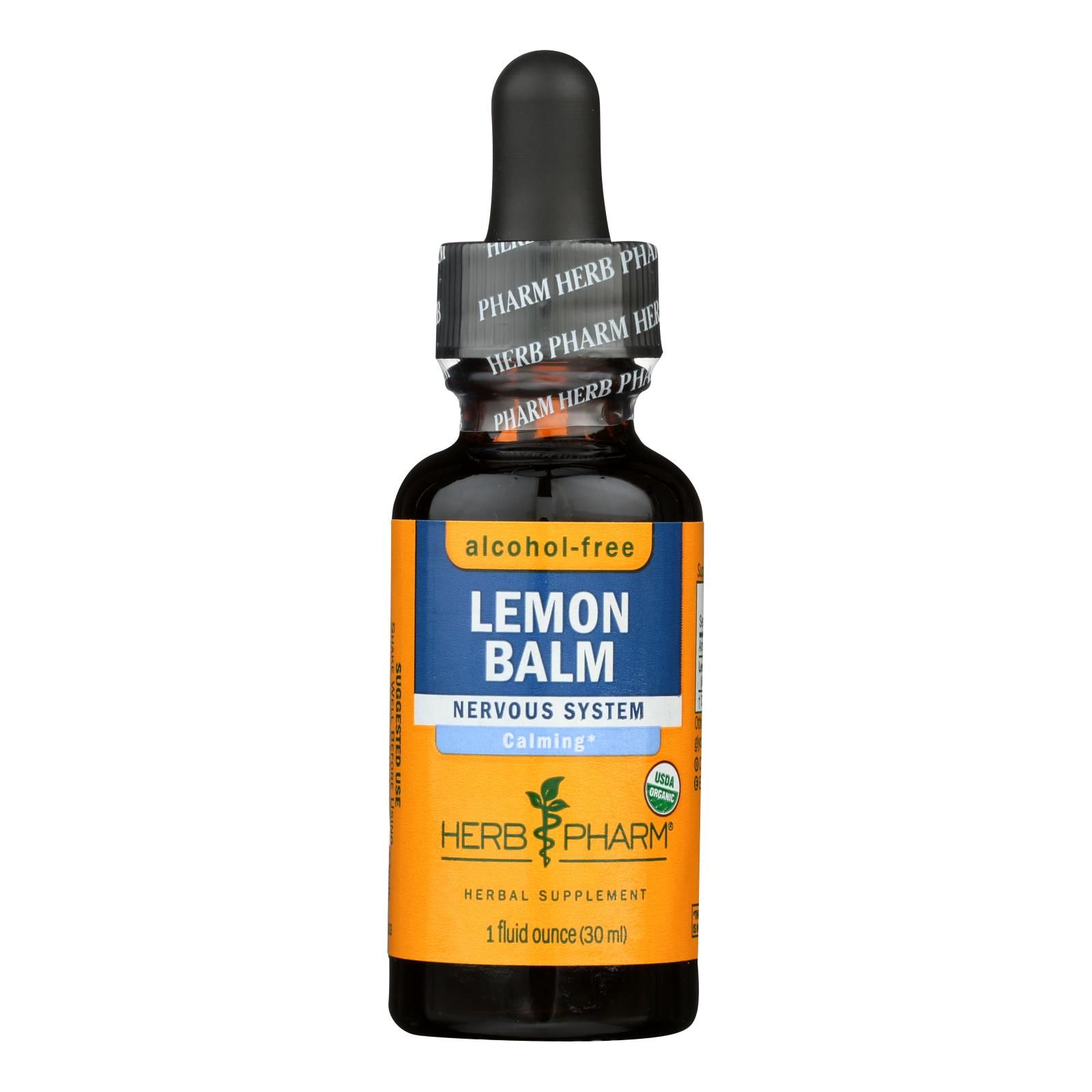
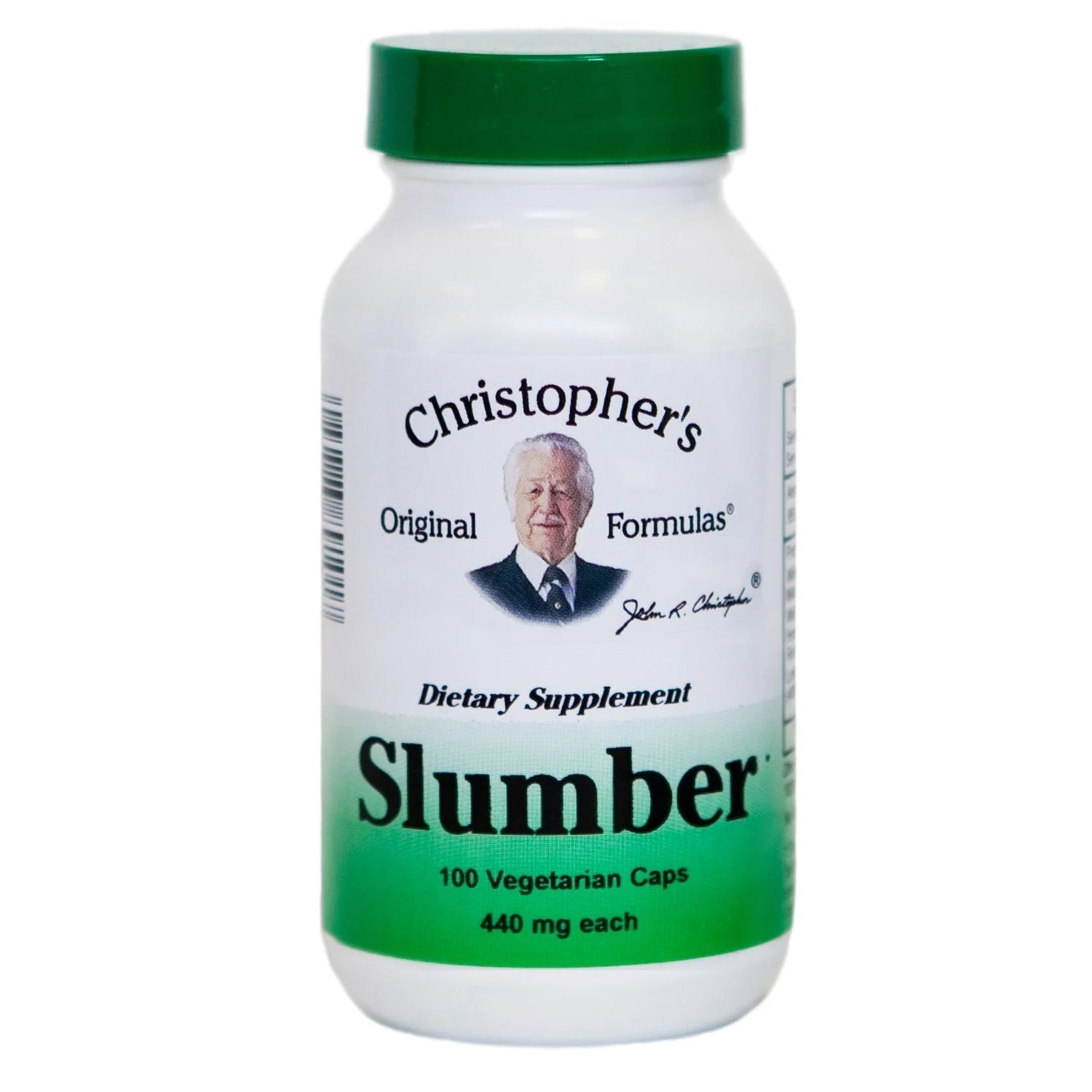
For parents who want a prepared herbal option alongside their oil kit, our Herb Pharm Lemon Balm Glycerite offers a gentle, alcohol-free calming support that pairs well with a lavender diffuser in the evening, and our Slumber Capsules provide a calming herbal blend intended for occasional sleeplessness and nighttime relaxation when a diffuser alone is not enough.
References
America's Poison Centers. (n.d.). Essential oils.
Carson, C. F., Hammer, K. A., & Riley, T. V. (2006). Melaleuca alternifolia (tea tree) oil: A review of antimicrobial and other medicinal properties. Clinical Microbiology Reviews, 19(1), 50-62.
Göbel, H., Schmidt, G., & Soyka, D. (1996). Effect of peppermint and eucalyptus oil preparations on neurophysiological and experimental algesimetric headache parameters. Cephalalgia, 16(4), 257-262.
MedlinePlus. (2023). Eucalyptus.
National Center for Complementary and Integrative Health. (2024). Lavender.
Tisserand, R., & Young, R. (2014). Essential oil safety: A guide for health care professionals (2nd ed.). Churchill Livingstone.
Frequently Asked Questions
What essential oils are useful to keep at home?
Five oils cover most household needs: lavender for calm and sleep, peppermint for tension and digestion, tea tree for cleaning and skin support, frankincense for inflammation and grounding, and eucalyptus for respiratory comfort. Together they address the most common family complaints, from headaches to stuffy noses to occasional sleeplessness. Store them away from heat and light, and always keep bottles out of reach of young children.
How should essential oils be diluted for children?
Children need much weaker dilutions than adults. A safe starting point is 0.5% to 1% essential oil in a carrier oil for children over two, which equals about 3 to 6 drops per 30 ml of carrier. For infants under two, avoid topical essential oils unless a qualified healthcare professional advises otherwise. Always patch-test on a small area first, and never apply undiluted oil to a child's skin.
Which essential oils are safe to use around children?
Lavender and frankincense are generally considered gentle options when properly diluted. Tea tree can be used in cleaning products when children are not in the room. Peppermint and eucalyptus should be avoided for children under two and used with caution up to age six, because menthol and 1,8-cineole can slow breathing in young children. When in doubt, diffuse for short periods in well-ventilated rooms.
Can lavender oil help with sleep or relaxation?
Research suggests lavender may support relaxation and sleep quality. Lavender aromatherapy has been studied for sleep quality in adults with generally favorable but modest results. Its main constituents, linalool and linalyl acetate, are thought to calm the nervous system. Try adding a few drops to a diffuser 30 minutes before bed, or dilute in a carrier oil and massage into wrists and temples. Results vary from person to person.