 ultimate-guide
Herbal Remedies for Child Immune Health: 2026 Guide
Table of Contents
- Herbal Remedies for Child Immune Health: An Evidence-Based Overview
- Zinc and Vitamin C for Immunity Benefits in Children
- Safe Herbal Supplements for Toddlers: What Parents Should Know
- How to Boost Child Immune System Naturally: Daily Habits That Help
- Key Herbal Remedies for Child Immune Health: Echinacea and Elderberry
- Choosing Quality Herbal Remedies: What to Look For
- Conclusion: Building a Thoughtful Herbal Routine for Your Child
- Frequently Asked Questions
Last Updated: October 9, 2026
Herbal Remedies for Child Immune Health: An Evidence-Based Overview
Herbal remedies for child immune health are plant-based preparations, such as echinacea and elderberry extracts, used to support a child's normal immune function during seasonal changes. Parents increasingly ask about them, and the honest answer is that the evidence is real but modest, and safety depends entirely on dose, age, and product quality. This guide from THEOS Wellness walks through what published research actually supports, what to avoid, and how to build a sensible routine.
The research picture is genuinely mixed, and that is worth stating plainly. A Cochrane review of echinacea for preventing and treating the common cold found that echinacea preparations vary so widely in plant species, part used, and extraction method that results cannot be pooled into one clear verdict. That variability is the central problem in this category, and it shapes everything that follows.
Zinc and Vitamin C for Immunity Benefits in Children
Zinc and vitamin C for immunity benefits in children are best understood as nutrient repletion rather than immune boosting. A child who is already sufficient in zinc gains little from extra; a child with low intake may benefit meaningfully. The NIH Office of Dietary Supplements fact sheet on zinc notes that zinc supports normal immune cell development, and deficiency impairs immune function, but it does not claim that supplementation above requirement prevents illness.
Vitamin C follows a similar pattern. It supports immune cell function, and severe deficiency causes problems, yet large doses in well-nourished children have not consistently shortened colds in the trial literature.
The practical implication is straightforward:
- Food first. Meat, beans, and fortified cereals cover zinc; citrus, peppers, and broccoli cover vitamin C.
- Supplement only for a gap. A picky eater or a child on a restricted diet is a reasonable candidate for a modest supplement.
- Avoid mega-doses. High-dose zinc can cause nausea and interfere with copper absorption.
If you are considering a supplement, choose one with a clear label and a dose appropriate to your child's age, and confirm it with your pediatrician.
Safe Herbal Supplements for Toddlers: What Parents Should Know
Safe herbal supplements for toddlers are single-herb, alcohol-free preparations given at the lowest effective dose for short periods. That definition rules out a surprising number of products on the shelf. Toddlers metabolize plant compounds differently from adults, and their lower body weight means a dose that is trivial for an adult can be substantial for a two-year-old.
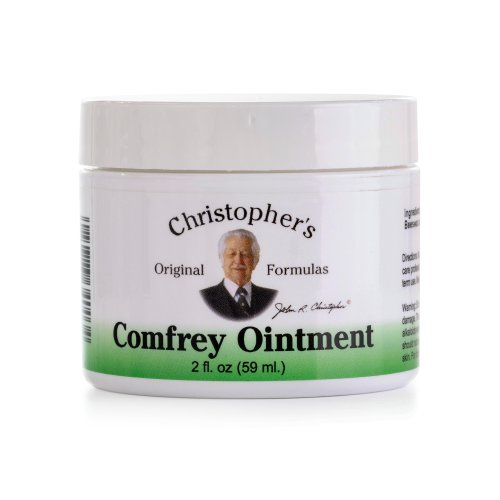
Several categories deserve caution. Herbal products containing comfrey, coltsfoot, or other pyrrolizidine alkaloid-containing plants are not appropriate for children because of liver toxicity concerns. Any product marketed as a "detox" is a red flag; children do not need detoxification, and the phrase usually signals a laxative or diuretic effect.
A MedlinePlus overview of echinacea safety and interactions notes that echinacea is generally tolerated short-term in adults but that allergic reactions are possible, particularly in people sensitive to ragweed, chrysanthemums, and related plants. That allergy cross-reactivity is the most common reason a child reacts to an echinacea product.
How to Boost Child Immune System Naturally: Daily Habits That Help
How to boost child immune system naturally comes down to sleep, movement, food variety, and hygiene, not to any single bottle. These fundamentals do more for immune resilience than any supplement, and they are free. The CDC guidance on how to protect against colds and flu emphasizes handwashing, adequate sleep, and staying current on vaccinations as the highest-value actions families can take.
Here is what we would prioritize, in order:
- Sleep. Most school-age children need roughly nine to twelve hours. Short sleep is consistently associated with more frequent illness.
- Varied diet. Aim for color and variety across the week rather than perfection on any given day.
- Outdoor activity. Regular movement supports overall health, and time outdoors tends to improve sleep quality.
- Hand hygiene. Boring, unglamorous, and still the single most effective habit during cold season.
- Stress and routine. Predictable routines help children sleep better, which loops back to point one.
Supplements sit at the bottom of this list, not the top. A well-rested child eating a varied diet will get more from that foundation than from any extract.
Key Herbal Remedies for Child Immune Health: Echinacea and Elderberry
Echinacea and elderberry are the two herbs most studied for children's immune support, and both have published evidence worth knowing. Echinacea angustifolia and E. purpurea are the species most often used; elderberry refers to Sambucus nigra preparations, typically standardized syrups and glycerites.
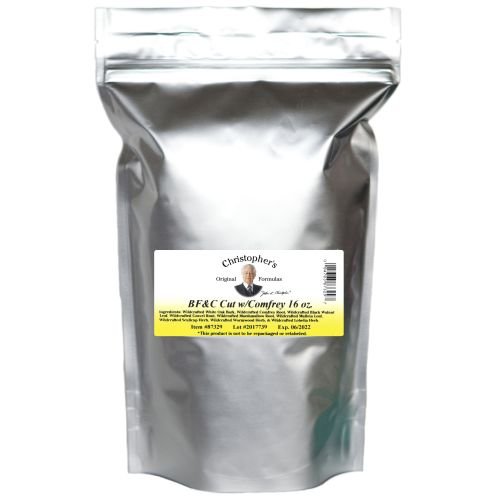
For echinacea, the evidence supports short-term use at the first sign of a seasonal cold rather than continuous year-round dosing. The NCCIH summary of echinacea research describes the evidence as mixed, with some trials showing modest shortening of cold duration and others showing no effect, largely because formulations differ. For elderberry, small trials suggest it may reduce the duration of influenza-like illness, but sample sizes have been small and results have not been uniformly replicated.
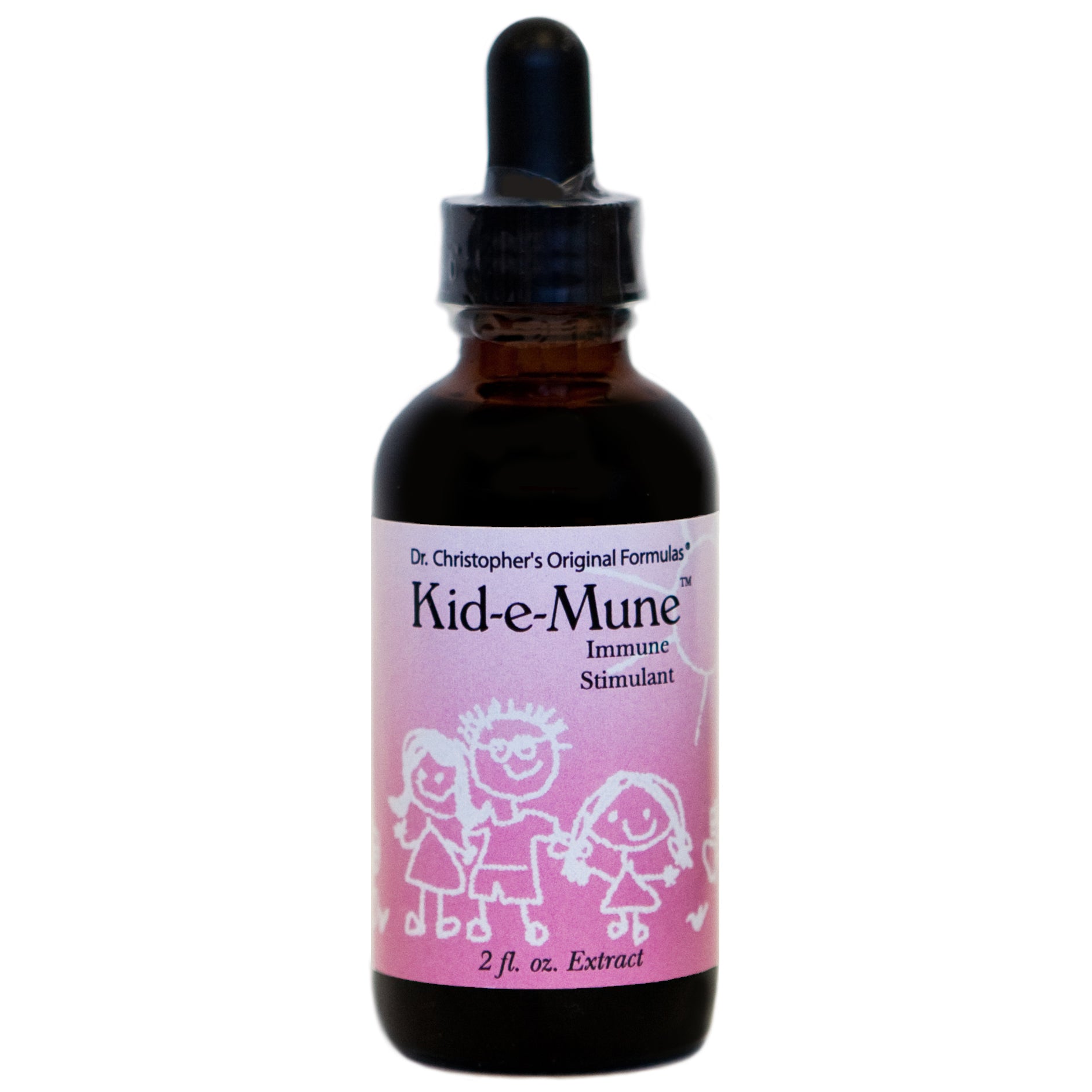
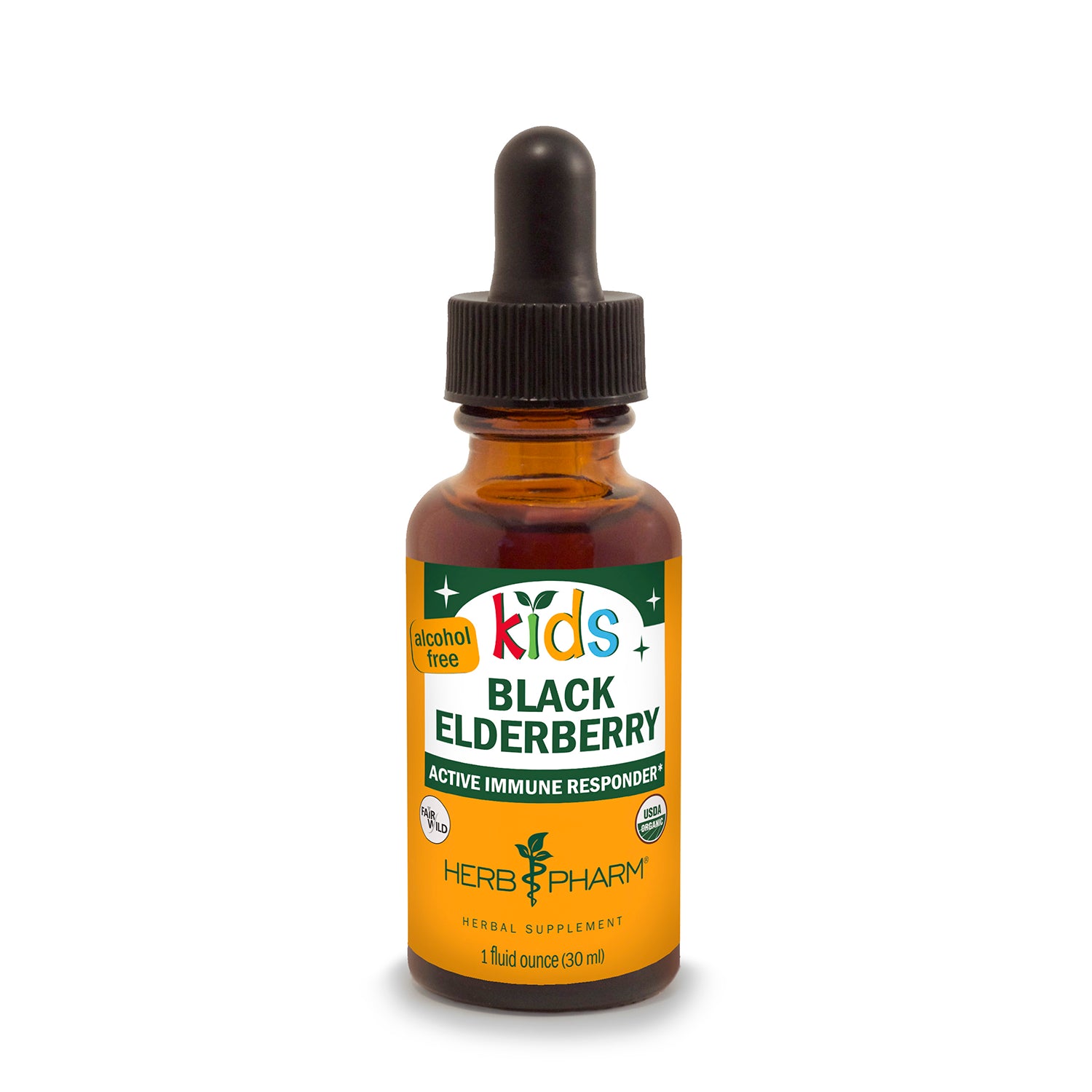
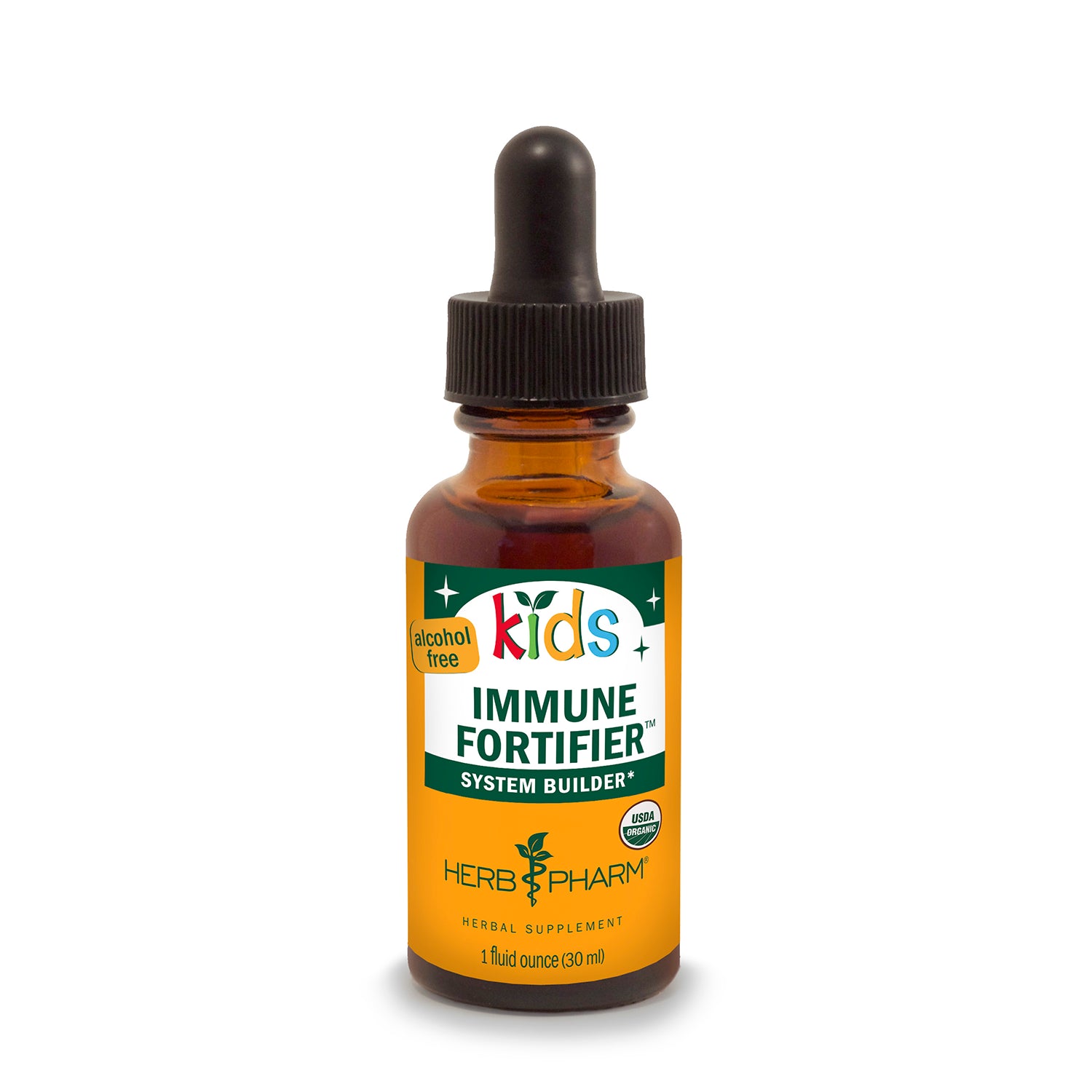
The Kid-E-Mune Extract 2 Oz is a single-herb, alcohol-free glycerite made with Echinacea angustifolia root, given at 5 to 10 drops three times daily, with the manufacturer recommending it one hour before or after meals. If you prefer an elderberry option, the Herb Pharm Kids Black Elderberry Glycerite is formulated for children, and the Herb Pharm Kids Immune Fortifier combines herbs intended to help prepare and restore the immune system.
One caution applies to all three: avoid echinacea in a child allergic to ragweed or related plants.
Choosing Quality Herbal Remedies: What to Look For
Quality in herbal remedies is mostly about what the label tells you and what it leaves out. A well-made children's product states the plant species, the plant part used, the extraction method, and the exact amount per dose. A poorly made one says "echinacea blend" and stops there.
Use this checklist when you are standing in the aisle:
- Species named. "Echinacea angustifolia" beats "echinacea."
- Plant part named. Root, leaf, and flower have different chemistry.
- Alcohol-free for children's formulations.
- Dose per serving stated in drops or milliliters, not just "servings."
- Age guidance on the label.
- Allergy warnings listed, especially aster family cross-reactivity.
- No proprietary blend hiding individual amounts.
| What You See | What It Usually Means | What To Do |
|---|---|---|
| Species and plant part named | Formulation is traceable | Reasonable choice |
| "Herbal blend" with no amounts | Cannot assess dose | Skip it |
| Alcohol-based tincture | Not formulated for children | Choose a glycerite |
| "Detox" or "cleanse" claim | Marketing, not medicine | Skip it |
| Clear age and dose guidance | Made with children in mind | Confirm with your pediatrician |
We select from brands that publish ingredient detail and traditional-use context, so the label question is largely answered before the product reaches you.
Conclusion: Building a Thoughtful Herbal Routine for Your Child
A thoughtful routine starts with sleep, food, and hygiene, and treats herbs as a short-term addition during seasonal windows rather than a daily fixture. Echinacea and elderberry have enough published support to be worth discussing with your pediatrician, and the evidence is strongest for early, brief use at the first sign of a cold.
Frequently Asked Questions
Are herbal remedies safe for children's immune systems?
Many herbal remedies are generally safe for children when used appropriately, but safety depends on the herb, the child's age, and the dose. Echinacea and elderberry have traditional use for short-term immune support in children. Always choose alcohol-free glycerites formulated for kids, follow label directions, and consult a qualified healthcare professional before starting any new remedy, especially for toddlers or children with allergies.
Can zinc and vitamin C help improve child immune health?
Zinc and vitamin C both play supportive roles in normal immune function. Vitamin C supports immune cell activity, while zinc contributes to immune defense and may help shorten the duration of colds when taken early. Food sources like citrus, berries, and lean meats are ideal. If you use supplements, choose child-specific formulas and stick to recommended amounts, as excessive zinc can interfere with copper absorption.
Which herbs are considered gentle for toddlers and young children?
Echinacea angustifolia and elderberry are often considered gentle for toddlers when prepared as alcohol-free glycerites and dosed according to the label. These herbs are traditionally used for seasonal immune support. Always check with a pediatrician before giving any herb to a child under two, and avoid herbs from the ragweed family if your child has known allergies.
How do I know if an herbal supplement is high quality for my child?
Look for clear ingredient lists and child-specific formulations. Reputable brands like Christopher's Original Formulas and Herb Pharm provide alcohol-free glycerites with simple, single-herb or focused blends. Avoid unnecessary fillers, and read the supplement facts panel. Educational transparency from the seller, including traditional uses and safety notes, is a strong indicator of quality.
The hard part is not deciding whether to try herbs; it is finding products whose labels you can actually trust. At THEOS Wellness, we curate children's extracts from established herbal brands, publish educational detail on ingredients and traditional uses, and keep our selection narrow so you are not comparing forty near-identical bottles. Browse our children's extracts and build a routine grounded in evidence rather than marketing.