 ultimate-guide
How to Understand Supplement Ingredient Labels
Table of Contents
- Supplement Facts vs Nutrition Facts: What's the Difference?
- Serving Size, Servings Per Container, and Daily Value Explained
- What Are Proprietary Blends in Supplements?
- How to Spot Supplement Fillers and Other Ingredients
- Third-Party Supplement Testing Explained
- How to Verify Herbal Supplement Quality Before You Buy
- Allergens, Contaminants, and Labeling for Specific Populations
- Conclusion
- Frequently Asked Questions
Last Updated: October 2, 2026
Supplement Facts vs Nutrition Facts: What's the Difference?
The Supplement Facts panel is a standardized label required on dietary supplement products, while the Nutrition Facts panel appears on conventional foods and beverages. Both panels share a similar layout, but they answer different questions. Nutrition Facts describes the nutritional value of a food. Supplement Facts describes the amount of a specific ingredient in each serving of a supplement.
Learning how to understand supplement ingredient labels starts with recognizing which panel you are holding. The two look alike on purpose. The FDA requires supplement manufacturers to follow a format modeled on food labeling, which is why the panels can blur together at a glance (FDA guidance on dietary supplement labeling).
The key differences:
- Nutrition Facts lists macronutrients (fat, carbohydrates, protein) and micronutrients for a defined food.
- Supplement Facts lists active ingredients, their amounts per serving, and Percent Daily Value where one exists.
- Supplement Facts may include a "Proprietary Blend" line, which Nutrition Facts never does.
- Nutrition Facts is mandatory on packaged food. Supplement Facts is mandatory on dietary supplements.
One more distinction matters for your safety. Nutrition Facts reflects a food you eat for energy. Supplement Facts reflects a concentrated ingredient you take for a specific purpose, which means dosage instructions and contraindications carry more weight.
Serving Size, Servings Per Container, and Daily Value Explained
Serving size is the amount of a supplement used to calculate every number on the panel. Servings per container tells you how many of those servings the package holds. Daily Value (DV) shows how a nutrient amount compares to a reference intake for most adults.
These three numbers decide whether a product is a good value and whether it fits your routine. Ignore them and you can easily take double the intended amount, or run out of a bottle in half the time you expected.
Why Serving Size Changes Everything
A serving size is not a recommendation. It is a measuring unit. If a label says "2 capsules" and you take 4, every amount on that panel doubles, including any ingredient you should not exceed.
This is where most people misread a supplement. They compare two bottles by the "per serving" number without checking whether one serving is 1 capsule and the other is 3. The bottle with the bigger number per serving may simply demand more capsules to hit it.
Check the serving size first, then the servings per container. A 90-capsule bottle with a 3-capsule serving gives you 30 servings, not 90.
Reading Percent Daily Value (%DV) Correctly
Percent Daily Value tells you how much of a nutrient one serving provides relative to a daily reference amount. A 50% DV for a vitamin means one serving supplies half of the reference intake for most adults.
Two cautions apply. First, DV is built for the general population, not for you specifically, so it is a benchmark rather than a personal target. Second, many herbal ingredients have no established Daily Value at all. When you see a dash or blank in the %DV column, it means no reference value exists, not that the ingredient is unimportant.
For herbal products, the amount in milligrams or micrograms usually matters more than any %DV figure. Your clinician can help you judge whether a given amount suits your situation.
What Are Proprietary Blends in Supplements?
A proprietary blend is a group of ingredients listed together under one total weight, with the individual amounts hidden. The label might read "Proprietary Herbal Blend ... 500 mg" followed by a list of ingredients with no amounts beside them.
This is a transparency problem in supplement labeling. You can see what is in the blend. You cannot see how much of each ingredient is present.
Manufacturers use blends to protect a formula from being copied. That is a legitimate commercial reason.
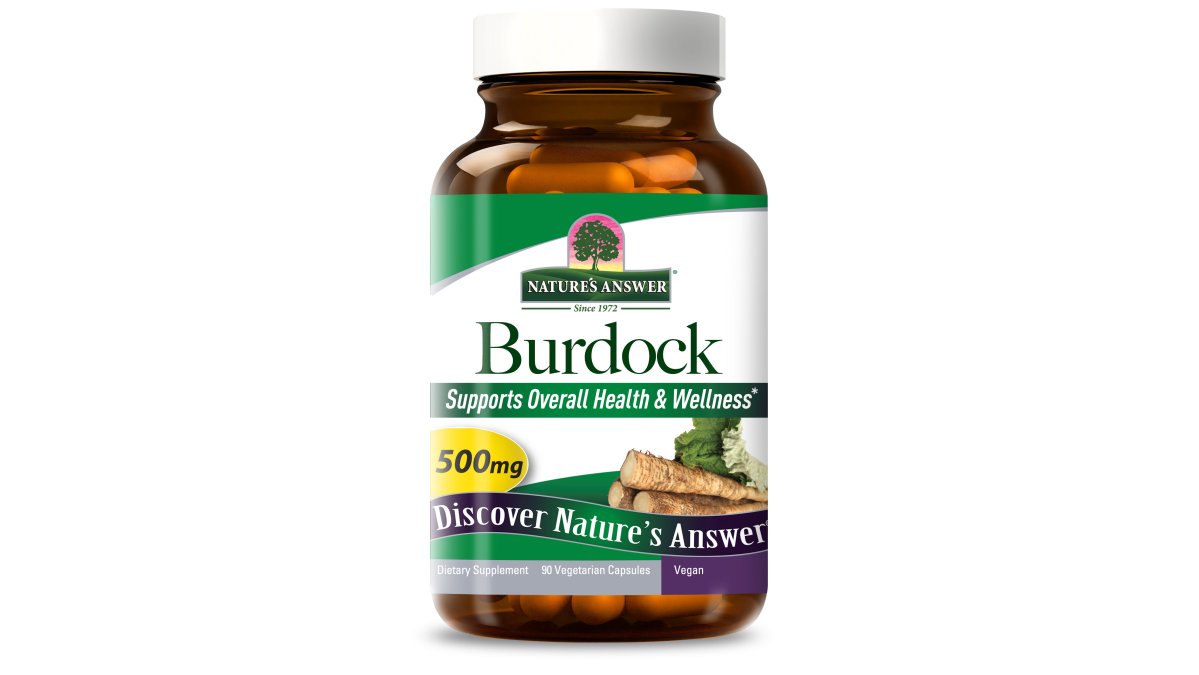
Nature's Answer - Burdock Root - 90 Vegetarian Capsules →
When transparency matters to you, single-herb products with a stated amount per serving remove the guesswork entirely.
How to Spot Supplement Fillers and Other Ingredients
"Other Ingredients" is the section below the Supplement Facts panel, and it lists everything in the product that is not an active ingredient. Fillers, binders, flow agents, capsule materials, and flavorings live here.
What to scan for:
- Capsule material: gelatin (animal-derived) versus cellulose or "vegetarian capsule" (plant-derived).
- Common fillers: magnesium stearate, silicon dioxide, microcrystalline cellulose, and rice powder.
- Allergens: soy, wheat, dairy, and tree nuts can appear in a supplement even when the herb itself contains none.
- Added colors and sweeteners: more common in gummies and powders than in capsules.
Third-Party Supplement Testing Explained
Third-party supplement testing is an independent laboratory analysis of a product's identity, potency, and purity, performed by a lab with no financial stake in the result. It exists because the FDA regulates supplements as food, not as drugs, which means products reach shelves without pre-market approval for effectiveness.
What Verification Seals Actually Mean
A verification seal signals that an outside organization audited the product or the facility against a defined standard. Common programs check for ingredient identity, label accuracy, and contamination.
Read the seal carefully, because programs differ:
- Some verify a specific batch of product.
- Some certify the manufacturing facility, not each product.
- Some test only for contaminants, not for whether the label amount is accurate.
How to Verify Herbal Supplement Quality Before You Buy
Verifying herbal supplement quality comes down to four checks: a disclosed amount per serving, a named plant part, a stated extract strength where relevant, and a clear safety section. If a label is missing most of these, look elsewhere.
Standardized Extracts and Potency Claims
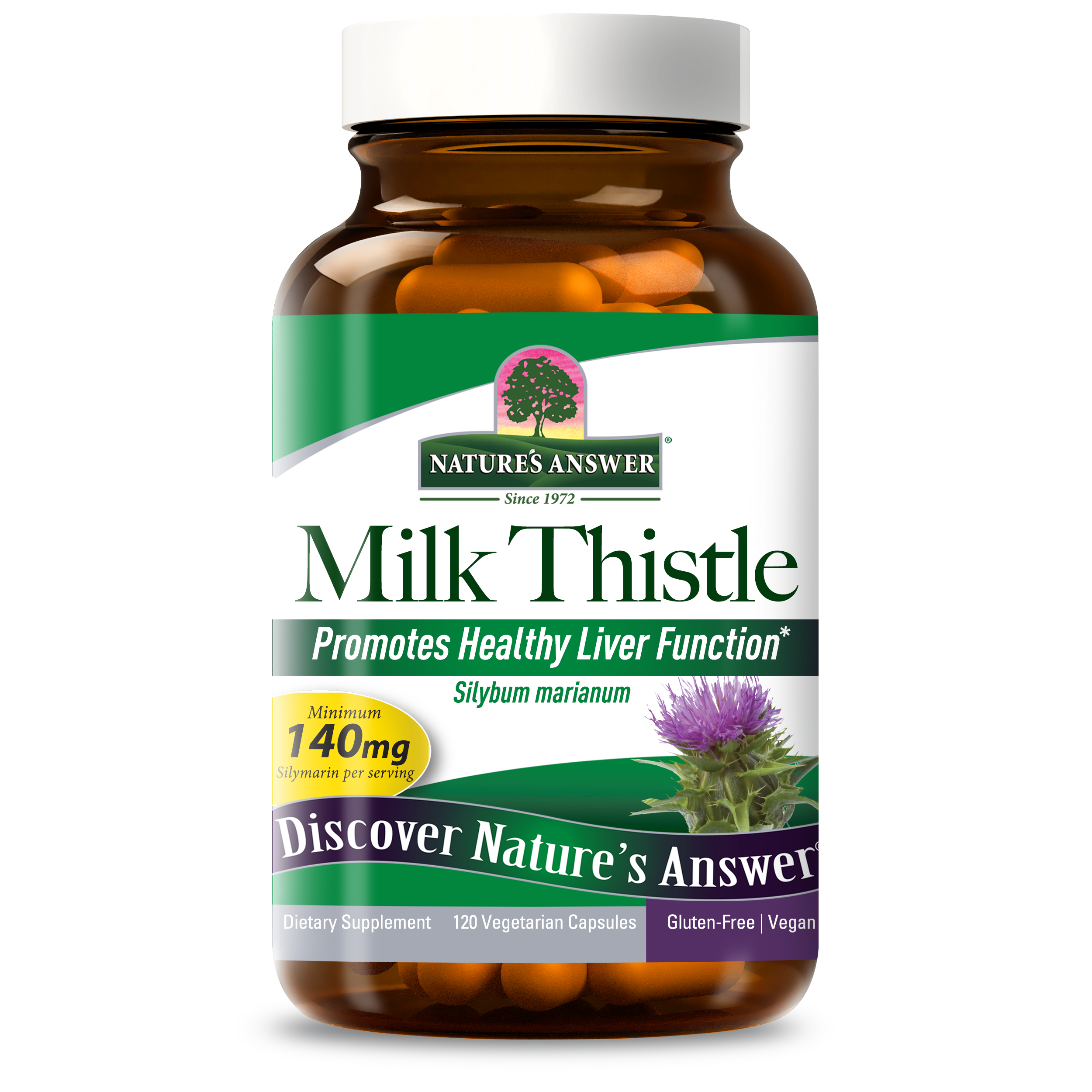
A standardized extract is an herbal preparation adjusted so that a named compound falls within a consistent range from batch to batch. For milk thistle seed extract, that compound is silymarin. A label that states the standardized amount gives you a fixed reference point.
| Label wording | What it tells you | What it hides |
|---|---|---|
| "Milk Thistle Seed Extract 500 mg" | Total extract weight | Silymarin content |
| "Milk Thistle Seed Extract 500 mg (standardized to 80% silymarin)" | Total weight plus active compound level | Very little |
| "Herbal Liver Blend 500 mg" | Combined weight only | Every individual amount |
Allergens, Contaminants, and Labeling for Specific Populations
Specific populations need specific reading habits:
- Children: check for a children's dosage direction, and confirm the product is not labeled for adults only. Ask a pediatric clinician before starting anything.
- Pregnancy and breastfeeding: most herbal labels advise consulting a healthcare professional first. Take that line literally.
- Thyroid conditions: for a kelp product, the iodine amount per serving is the number that matters. Check it and speak with your clinician.
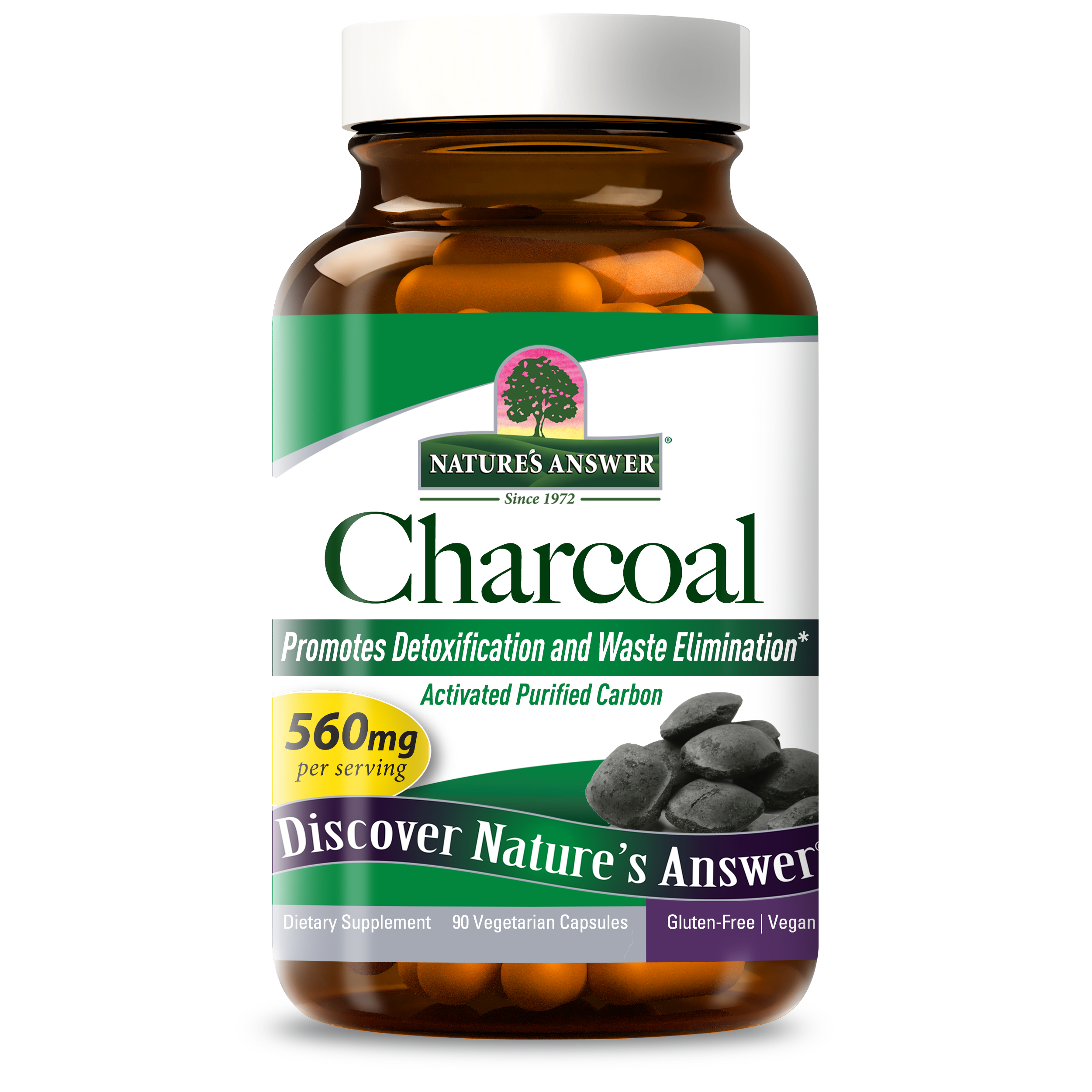
- People on medication: activated charcoal can interfere with medicines taken by mouth, so ask a pharmacist how to separate doses.
One more label element people skip: the expiration date and the safety seal. A damaged or missing seal means the product may have been opened, and an expired date means potency can no longer be assumed.
Conclusion
Reading a supplement label is a skill, and the gap between a transparent product and an opaque one usually shows up in the same few places: a hidden proprietary blend, an undisclosed extract strength, or a vague "Other Ingredients" list. THEOS Wellness curates products from trusted herbal brands across topicals, herbals, extracts, oils, and supplements, and every product page includes educational details on ingredients, traditional uses, and safety so you can judge a label with confidence.
Frequently Asked Questions
What is the difference between Supplement Facts and Nutrition Facts labels?
Nutrition Facts panels appear on conventional foods and drinks, while Supplement Facts panels appear on dietary supplements. Supplement Facts panels list active ingredients with their amounts per serving, plus percent Daily Value where established. Nutrition Facts panels focus on macronutrients like calories, fat, carbohydrates, and protein. Both are regulated differently: supplements fall under a separate set of labeling rules than conventional foods, which is why the panels look similar but list different information.
What are proprietary blends and why should I be cautious of them?
A proprietary blend groups several ingredients under one total milligram amount without listing how much of each ingredient is included. The label might say 'Herbal Energy Blend 500 mg' and then list five ingredients underneath with no individual amounts. This makes it impossible to know whether you are getting a meaningful dose of each component. When you see a proprietary blend, check whether the total amount is realistic for the ingredients listed, and treat blends with very low totals as a red flag.
How do I identify fillers and additives in herbal supplements?
Look below the active ingredients section on the Supplement Facts panel, where 'Other Ingredients' are listed. Common fillers include magnesium stearate, silicon dioxide, microcrystalline cellulose, and rice flour. These are not necessarily harmful, but they tell you how much of the capsule is actual herb versus processing aids. If a product lists more fillers than active ingredients, or if the active ingredient amount is very low relative to the filler list, that is a sign the product may not deliver the herbal support you are looking for.
What does 'third-party tested' mean on a supplement label?
Third-party testing means an independent lab, not the manufacturer, has analyzed the product for identity, potency, and contaminants like heavy metals, microbes, or pesticides. Some companies use verification programs that allow a seal on the label once the product passes. Not all third-party claims are equal: some test only raw ingredients, others test finished products. When you see a testing claim, look for the specific program name and what it covers. If the label only says 'lab tested' with no details, treat it as a marketing phrase rather than proof of quality.