 how-to
Evidence Based Natural Wellness Tips 2026: A Practical Guide
Table of Contents
- Why Evidence Based Natural Wellness Tips Matter in 2026
- How to Read an Evidence Grade (A, B, C, D)
- Building a Natural Wellness Routine That Survives a Busy Week
- Sleep Hygiene Tips That Have the Strongest Evidence Behind Them
- Natural Ways to Manage Stress Without Adding Another To-Do
- Evidence-Based Supplements: What the Research Actually Supports
- A Prioritized, Step-by-Step Implementation Plan for 2026
- Safety, Personalization, and When to Talk to Your Doctor
- Conclusion: Sustainable Habits Beat Trendy Ones
- Frequently Asked Questions
Last Updated: October 12, 2026
Why Evidence Based Natural Wellness Tips Matter in 2026
Evidence based natural wellness tips in 2026 start with one question: what does the research actually support?
Evidence-based natural wellness is the practice of choosing habits and plant-based products based on published research, not trends or marketing claims.
That matters because the wellness space rewards hype, miracle teas, detox kits, and "ancient secrets," few with citations.
The habits that survive are boring, and they work.
How to Read an Evidence Grade (A, B, C, D)
An evidence grade tells you how much confidence to place in a wellness claim. Here is how we sort claims:
- Grade A: Strong support from multiple large studies or major health bodies
- Grade B: Good support, but research is mixed or limited
- Grade C: Early or traditional use, not yet well proven
Grade A habits include sleep routines, daily movement, and balanced meals.
Grade B covers things like lavender aromatherapy for relaxation. Promising, but not a cure.
Grade C includes many traditional herbal uses: worth noting, not overclaiming.
Building a Natural Wellness Routine That Survives a Busy Week
Most routines fail because they are too big. A natural wellness routine works best when it starts small and fits your real schedule.
Busy professionals do not need a two-hour morning ritual. They need three habits they will actually repeat.
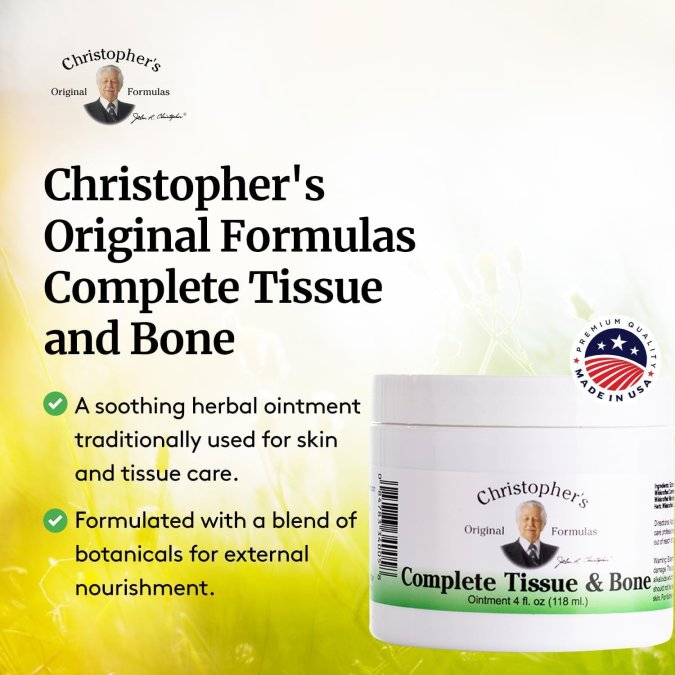
The 3-Habit Starter Stack
Start with these three, and add nothing else for two weeks:
- A consistent wake time, even on weekends
- A 10-minute walk after one meal
- A wind-down cue before bed, such as dimming lights
Each habit takes minutes. Together they touch sleep, movement, and stress.
Habit Stacking and Realistic Timelines
Habit stacking means attaching a new habit to an existing one. "After I pour my morning coffee, I step outside for two minutes."
Give each habit 30 to 60 days before judging it. Real change in energy and sleep rarely shows up in a week.
Sleep Hygiene Tips That Have the Strongest Evidence Behind Them
Sleep hygiene tips earn a Grade A when they target your body clock, not just your bedroom. The strongest evidence points to a consistent sleep schedule: going to bed and waking at the same times keeps your internal clock steady, while irregular sleep, even with enough hours, leaves people groggy.
What the research supports most:
- Same wake time daily, weekends included
- Bright light in the morning, dim light at night
- No caffeine in the afternoon
A Simple Wind-Down Routine Using Lavender
Lavender is one of the most studied essential oils for relaxation. A review in Frontiers in Behavioral Neuroscience examined lavender and anxiety, and found generally positive but mixed results across studies.
In practice, lavender may support a calmer wind-down; it is not a treatment for insomnia.
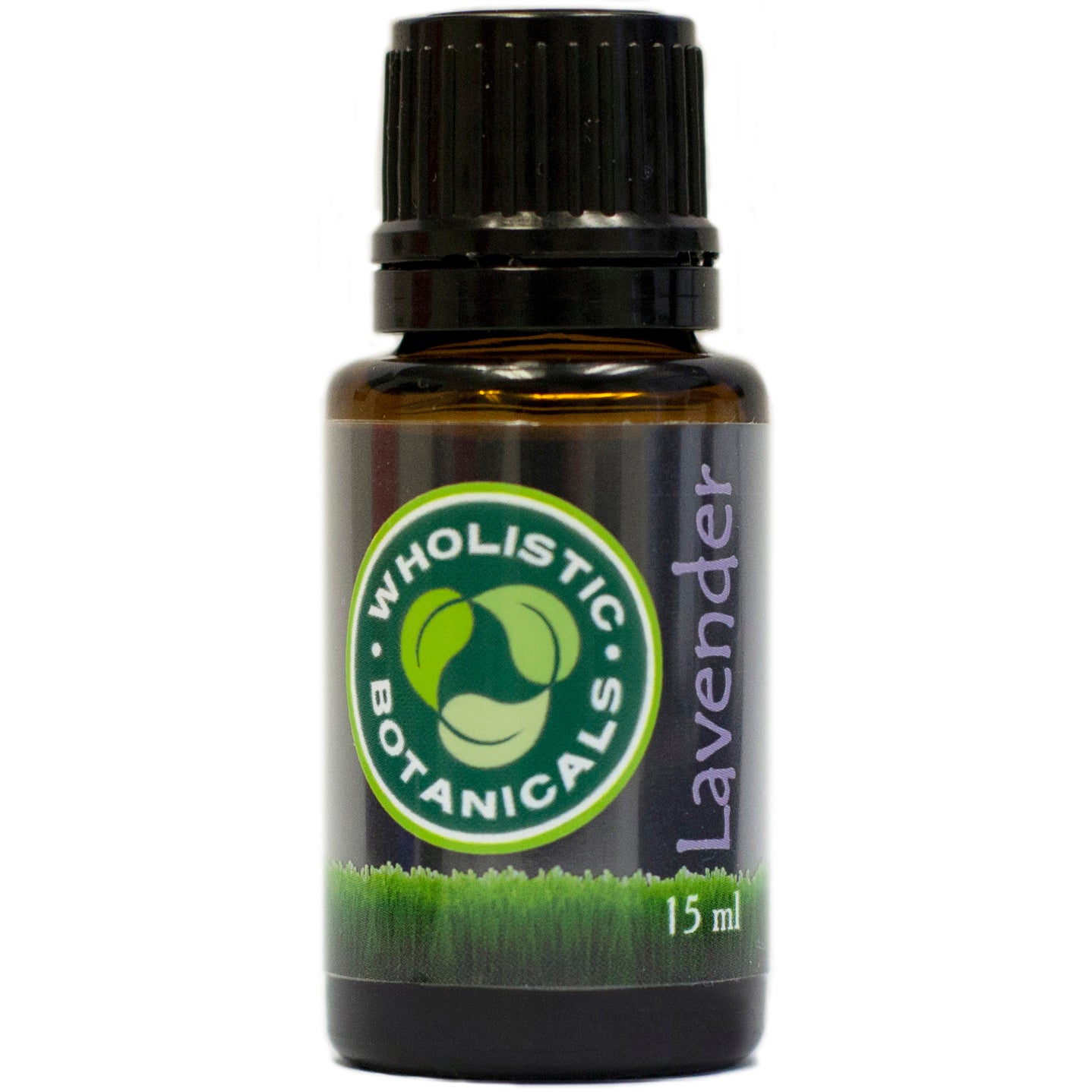
Try this: add a few drops of Lavender Essential Oil to a diffuser 30 minutes before bed, paired with dimmed lights and a fixed bedtime.
Natural Ways to Manage Stress Without Adding Another To-Do
Natural ways to manage stress should lower your load, not add to it. The strongest evidence points to slow breathing and brief outdoor movement, both acting on the autonomic nervous system controlling heart rate, digestion, and the threat response.
Why Slow Breathing Works (Grade B)
Extending your exhale longer than your inhale increases vagal tone, the signal that tells your heart to slow and your body to stand down from stress. A common pattern is a four-second inhale and six-second exhale, repeated for two minutes. A 2023 review in Scientific Reports found slow-breathing practices were associated with reduced self-reported anxiety and improved mood, though study designs varied widely (Fincham et al., 2023), hence a B grade.
Time Outdoors and Daylight (Grade B)
A five-minute walk outdoors combines three evidence-supported inputs: light movement, daylight exposure, and a change of scene. Morning daylight anchors your body clock, supporting sleep quality. A 2022 systematic review in Environmental Research linked green space with lower cortisol and improved well-being, though effect sizes were modest (Yao et al., 2022).
Mindfulness and Brief Meditation (Grade B)
Short mindfulness sessions, even five minutes, have reasonable support for reducing perceived stress. The key word is perceived: mindfulness does not remove the stressor, it changes your relationship to it. Free apps and guided audio suffice.
What Does Not Earn a High Grade
- Adaptogens marketed as stress cures (Grade C). Herbs like ashwagandha have early promising trials, but results are mixed and long-term safety data limited. Do not treat them as replacements for sleep, movement, or clinical care.
- Detox teas and "adrenal support" blends (Grade D). These rarely name a study or a dose. Treat the claim as unproven until the maker can point to human data.
References
Fincham, G. W., Strauss, C., Montero-Marin, J., & Cavanagh, K. (2023). Effect of breathwork on stress and mental health: A meta-analysis of randomised-controlled trials. Scientific Reports, 13, 432. https://doi.org/10.1038/s41598-022-27247-y
Yao, W., Zhang, X., & Gong, Q. (2022). The effect of exposure to natural environments on cortisol: A systematic review and meta-analysis. Environmental Research, 204, 112367. https://doi.org/10.1016/j.envres.2021.112367
Evidence-Based Supplements: What the Research Actually Supports
Evidence-based supplements have human studies behind them, not just traditional use, a bar higher than most labels suggest, and where the wellness industry most often overpromises. This section grades common natural products by evidence strength and flags safety questions most lists skip.
Magnesium (Grade B)
Magnesium supports muscle function, nerve signaling, and energy metabolism, and many people fall short through diet alone (NIH Office of Dietary Supplements, 2024). Topical magnesium is popular for muscle comfort, but evidence for transdermal absorption is weaker than for oral forms. People with kidney disease should not supplement magnesium without medical guidance, since impaired kidneys can struggle to clear excess.
Lavender (Grade B for Relaxation, Not Insomnia)
Lavender is one of the most studied essential oils for relaxation. A review in Frontiers in Behavioral Neuroscience found generally positive but mixed results for lavender and anxiety (Koulivand et al., 2013). It may support a calmer wind-down, but it is not a treatment for insomnia and does not replace a consistent sleep schedule.
Spirulina (Grade C)
Spirulina is a nutrient-dense blue-green cyanobacterium sold as a whole-food supplement. Early trials suggest possible benefits for lipid profiles and antioxidant status, but study quality varies and doses are inconsistent.
Life-flo Pure Magnesium Oil - 8 Oz →
One real safety concern: spirulina can be contaminated with microcystins, a toxin produced by some cyanobacteria. Choose products tested for microcystins and heavy metals.
Herbal Blends and "Vitality" Formulas (Grade C to D)
Broad herbal blends are the hardest category to grade: the ingredient list is often long and doses hidden behind a "proprietary blend." If you cannot see how much of each herb is present, you cannot judge whether the studied dose is there.
Quality Signals: Third-Party Testing and Label Transparency
Third-party testing is the clearest quality signal for any supplement, an outside lab checked the product for potency and contaminants. Look for:
- A named testing lab or certification
- A clear ingredient list with amounts
- A batch or lot number
If a label hides its ingredient amounts behind a "proprietary blend," that is a red flag. You cannot judge what you cannot measure.
When to Talk to Your Doctor Before Supplementing
Talk to your doctor before starting any herb or supplement if you take prescription or over-the-counter medication, are pregnant or breastfeeding, have a chronic condition (including kidney or liver disease), are managing care for a child, or have upcoming surgery.
| Evidence Grade | What It Means | Example Products |
|---|---|---|
| A | Strong, repeated research support | Consistent sleep schedule, daily movement, balanced meals |
| B | Good support, some mixed results | Oral magnesium for dietary shortfall, lavender aromatherapy for relaxation, slow breathing |
| C | Early or traditional use only | Spirulina, topical magnesium for muscle comfort, many herbal blends |
| D | Weak or no reliable evidence | Detox teas, "miracle" cure claims, proprietary blends with hidden doses |
Do not stop or change a prescribed medication to try a natural product. Work with your clinician on any change, and bring your supplement list to every appointment.
References
Koulivand, P. H., Khaleghi Ghadiri, M., & Gorji, A. (2013). Lavender and the nervous system. Evidence-Based Complementary and Alternative Medicine, 2013, 681304. https://doi.org/10.1155/2013/681304
NIH Office of Dietary Supplements. (2024). Magnesium: Fact sheet for health professionals. U.S. Department of Health and Human Services. https://ods.od.nih.gov/factsheets/Magnesium-HealthProfessional/
A Prioritized, Step-by-Step Implementation Plan for 2026
A plan beats a pile of tips. Here is the order we would follow, based on evidence strength.
Weeks 1-2: Lock the foundation
- Set one wake time and hold it daily
- Add a 10-minute walk after a meal
- Drink water with each meal as your hydration cue
Weeks 3-4: Add the wind-down
- Dim lights one hour before bed
- Start a lavender or quiet-time cue
- Move caffeine to the morning only
Weeks 5-8: Layer in support
- Add a two-minute breathing break at midday
- Review one supplement at a time, with a quality check
- Track energy and sleep in a simple note
Ongoing:
- Keep preventive health checkups on schedule
- Reassess every 30 days and drop what does not help
This order matters. Supplements come last, because they support a routine rather than replace one.
Safety, Personalization, and When to Talk to Your Doctor
No wellness habit fits everyone.
Talk to your doctor before starting any herb or supplement if you:
- Take prescription or over-the-counter medication
- Are pregnant or breastfeeding
- Have a chronic condition, including chronic inflammation
Herbs can interact with medications, not a reason to avoid them all, but a reason to ask first.
Personalization also means adjusting for access. A wheelchair user may swap a walk for seated movement.
Do not stop or change a prescribed medication to try a natural product. Work with your clinician on any change, and bring your supplement list to every appointment.
For children, keep it simple. Sleep, outdoor time, and balanced meals come first. Add herbal products only with a pediatrician's guidance.
The NCCIH at the National Institutes of Health publishes plain-language summaries of herbs and supplements, including safety notes.
Conclusion: Sustainable Habits Beat Trendy Ones
The wellness world will always have a new trend. The habits that hold up are evidence-backed: steady sleep, daily movement, real food, managed stress, and carefully chosen supplements.
That is where THEOS Wellness fits.
If you are ready to build a routine that lasts, start with one habit this week. Then explore our curated collection when you are ready to add support.
Frequently Asked Questions
What does evidence-based natural wellness mean?
It means choosing habits and products supported by published research rather than marketing claims. In practice, you look at whether a study was done in humans, whether it was controlled, and how consistent the findings are across multiple studies. Practices like consistent sleep schedules, daily movement, and stress reduction have strong evidence. Herbal and plant-based products vary widely, so check for third-party testing and read the label for traditional uses versus proven claims. Treat evidence as a filter, not a guarantee.
How long does it take to notice benefits from healthy lifestyle changes?
It depends on the habit. Sleep quality often improves within one to two weeks of a consistent schedule. Stress reduction from breathing exercises can be felt in the same session. Nutrition and hydration changes may take three to four weeks before you notice steady energy levels. Strength training typically shows measurable progress in four to six weeks. Track one or two simple markers, such as sleep duration or energy rating, so you can see change instead of guessing.
Are natural supplements necessary for a wellness routine?
No. Supplements complement a varied diet and good daily habits, they do not replace them. If your diet is varied and your sleep, movement, and stress habits are solid, you may not need any. If you do choose evidence-based supplements, look for products tested for heavy metals and harmful bacteria, follow the label exactly, and check with a healthcare professional if you take medication or have a chronic condition. Start with one product at a time so you can tell what helps.
How can I manage stress naturally if I only have a few minutes a day?
Short, consistent practices beat long, occasional ones. Try a two-minute breathing exercise where you extend your exhale longer than your inhale. Take a five-minute walk outdoors for fresh air and daily movement. Use a relaxation break between meetings instead of pushing through. A small amount of lavender essential oil in a diffuser or diluted in a carrier oil for massage is a traditional calming option. Stack these onto things you already do, like your morning coffee or commute, so they become automatic.