 listicle
Natural Sleep Aids for Busy Professionals
Table of Contents
- Natural Sleep Aids: A Quick Comparison
- Herbal Sleep Supplements That Work for Your Schedule
- Valerian Root: Best for Sleep Onset (Moderate Evidence)
- Passionflower and California Poppy: Best for Anxious Wakefulness (Emerging Evidence)
- Lemon Balm and Hops: Best for Gentle, Daytime Calming (Moderate Evidence)
- Chamomile: Traditional Support with Limited Sleep Evidence
- Choosing Your Herb: A Decision Matrix
- What to Drink to Sleep Quickly: Teas and Extracts
- Natural Ways to Fall Asleep Faster After a Demanding Day
- Building a Sleep Routine for Busy Professionals
- Safety, Interactions, and When to Seek Professional Guidance
- Conclusion
- Frequently Asked Questions
Last Updated: October 11, 2026
Natural Sleep Aids: A Quick Comparison
Better sleep improves performance, focus, and decision-making. If you prefer a natural approach to pharmaceutical sleep aids, several herbal remedies and lifestyle strategies can help you fall asleep faster and sleep more deeply without morning grogginess or dependency risks.
Quick Picks:
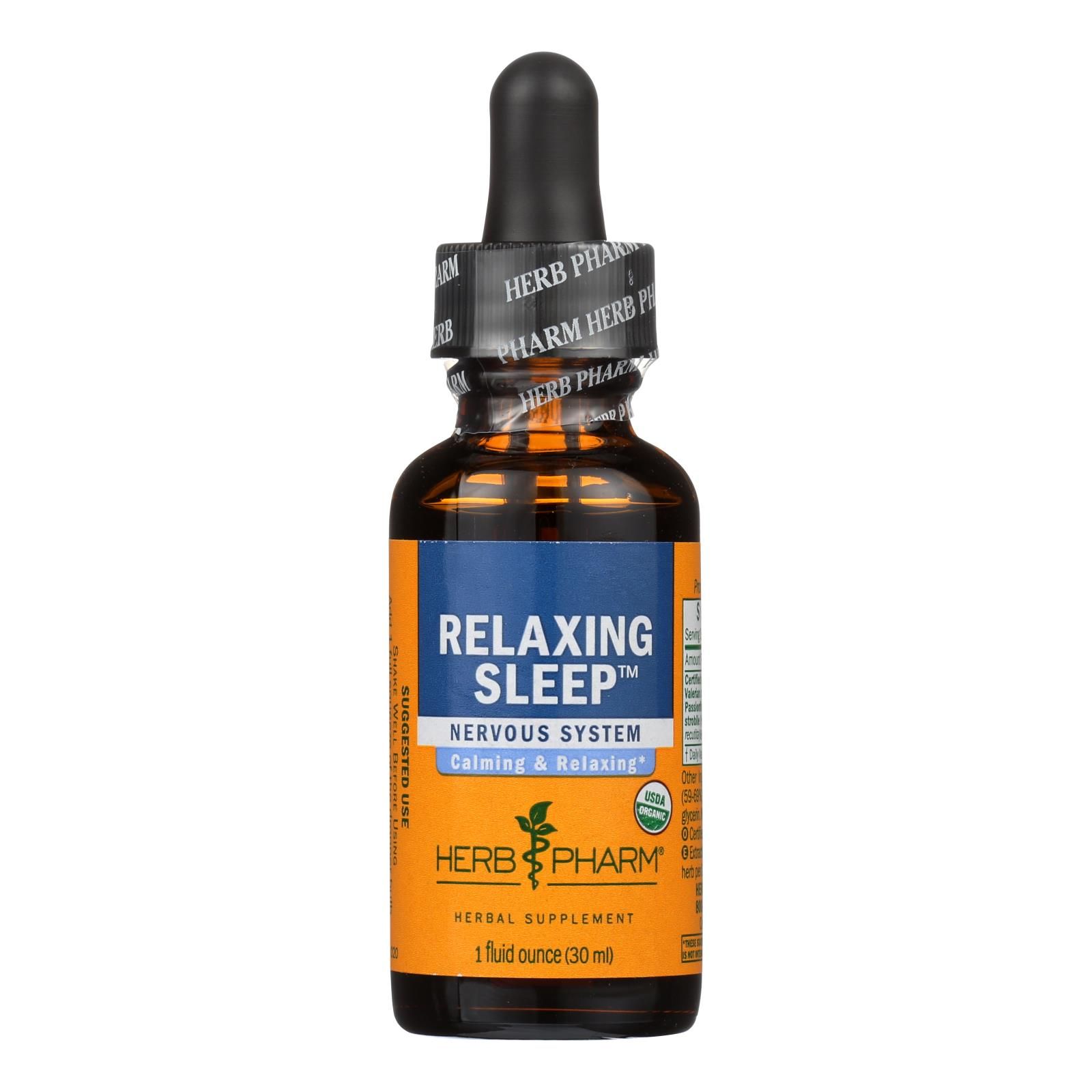
- Best all-in-one formula: Herb Pharm Relaxing Sleep Tonic, combines multiple calming herbs in one convenient extract
- Best for convenience: Traditional Medicinals Nighty Night Valerian tea, steep and drink, no measuring required
- Best single herb: Herb Pharm Valerian Extract, highest potency per dose for sleep onset support
Herbal Sleep Supplements That Work for Your Schedule
Herbal nervines calm an overactive nervous system without prescription side effects. The herbs below have traditional use and varying levels of modern research support, broken down by use case, evidence quality, and safety.
Valerian Root: Best for Sleep Onset (Moderate Evidence)
Best for: Difficulty falling asleep; racing mind that settles with consistent use.
Typical dose: 400-900 mg dried root or equivalent extract, 30-60 minutes before bed.
Evidence strength: Moderate. Multiple randomized controlled trials support efficacy for sleep onset; less evidence for sleep maintenance.
Safety and interactions:
- Generally well-tolerated; mild side effects include vivid dreams, headache, or morning grogginess if dose is too high.
- Avoid if pregnant, breastfeeding, or taking prescription sedatives.
- No significant interactions with most medications, but consult a healthcare provider if taking blood thinners or sedating medications.
- Not recommended for people with liver disease.
Realistic timeline: Effects appear within 3-7 days; full benefit after 2-4 weeks. If no improvement after 3 weeks, try another herb.
Passionflower and California Poppy: Best for Anxious Wakefulness (Emerging Evidence)
Research in Phytomedicine suggests passionflower reduces anxiety and improves sleep quality (Kaviani et al., 2013).
Best for: Racing thoughts; anxiety-driven sleep disruption; waking in the night due to worry.
Typical dose: 300-400 mg passionflower extract or 200-400 mg California poppy extract, 30-60 minutes before bed.
Evidence strength: Emerging.
Safety and interactions:
- Generally well-tolerated; mild side effects include drowsiness or dizziness.
- Avoid if pregnant, breastfeeding, or allergic to plants in the daisy family (passionflower is in Passifloraceae, but cross-reactivity is rare).
- May potentiate sedating medications; consult a healthcare provider if taking prescription sleep aids or anti-anxiety medications.
- Safe for long-term use.
Realistic timeline: Effects appear within 3-5 days for anxiety; sleep improvement within 1-2 weeks. If no change after 3 weeks, try another herb.
Lemon Balm and Hops: Best for Gentle, Daytime Calming (Moderate Evidence)
Lemon balm and hops gently support the nervous system without sedation.
Typical dose: Lemon balm, 300-600 mg extract or 2-3 cups tea daily; hops, 30-120 mg extract or 1-2 cups tea in evening.
Evidence strength: Moderate for lemon balm; emerging for hops. Both have traditional use and preliminary clinical support; more large-scale trials are needed.
Safety and interactions:
- Very well-tolerated; side effects are rare and mild.
- Safe during pregnancy and breastfeeding in culinary amounts; consult a healthcare provider for supplemental doses.
- No significant drug interactions.
- Safe for long-term daily use.
Realistic timeline: Lemon balm shows effects within 2-3 days; hops within 1-2 weeks. Both work best with consistent routines.
Chamomile: Traditional Support with Limited Sleep Evidence
Chamomile improved sleep quality in some studies but showed inconsistent results across trials (Srivastava et al., 2010).
Best for: Evening relaxation ritual; daytime stress; people who prefer a familiar, pleasant-tasting tea.
Typical dose: 1-2 cups tea (1 tea bag or 1-2 teaspoons dried flowers per 8 oz hot water), 1-3 times daily.
Evidence strength: Weak for sleep onset/maintenance; moderate for anxiety and relaxation.
Safety and interactions:
- Very well-tolerated; allergic reactions are rare but possible in people with ragweed allergy.
- Safe during pregnancy and breastfeeding in culinary amounts.
- No significant drug interactions.
Choosing Your Herb: A Decision Matrix
Use this framework to match your sleep problem to the herb most likely to help:
| Sleep Problem | Best Herb | Why | Evidence Strength |
|---|---|---|---|
| Hard to fall asleep; physically tired but wired | Valerian | Reduces sleep latency directly | Moderate |
| Waking at 2-4 AM with racing thoughts | Passionflower or California poppy | Quiets anxiety and mental restlessness | Emerging |
| Daytime stress affecting evening wind-down | Lemon balm or hops | Gentle, non-sedating nervous system support | Moderate |
| Inconsistent schedule; need flexible support | Lemon balm or hops | Work throughout the day; no fixed bedtime required | Moderate |
| Prefer familiar, pleasant-tasting ritual | Chamomile | Mild relaxation; excellent for routine-building | Weak for sleep; moderate for calm |
What to Drink to Sleep Quickly: Teas and Extracts
Teas feel ritualistic; extracts are faster and more portable for travel or busy nights.
| Format | Speed | Ritual Factor | Best For |
|---|---|---|---|
| Tea | 5-10 minutes | High | Evening wind-down routine |
| Extract | 1-2 minutes | Low | Quick bedtime support |
| Capsule | Instant | None | No-fuss consistency |
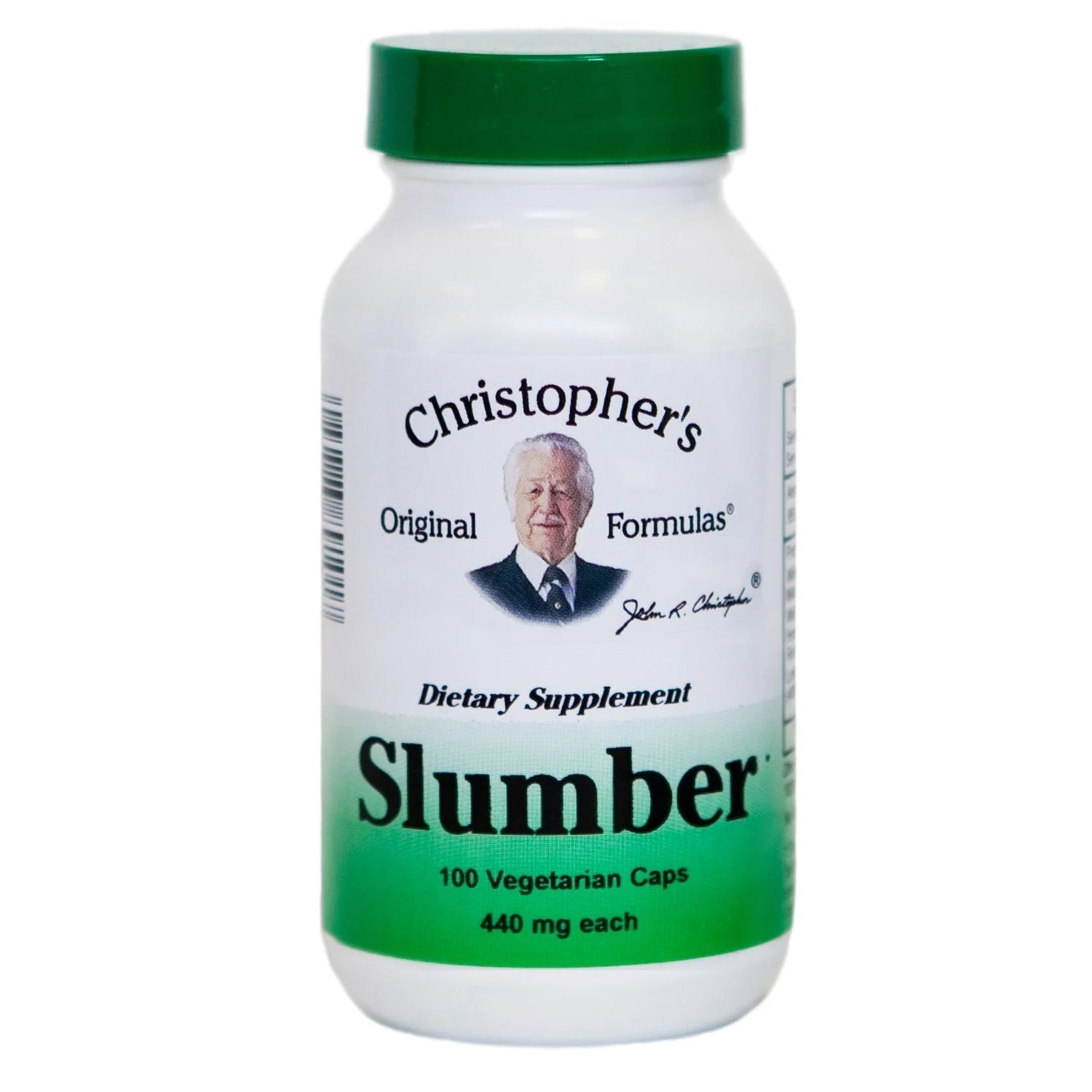
The Herb Pharm Relaxing Sleep Tonic combines valerian, passionflower, and other sleep-supporting herbs in extract form. Take 1 squeeze of the dropper in 2 oz of water about 1 hour before bed. For capsules, the Christopher's Original Formulas Slumber Capsules offer a prepared blend, no measuring required.
Natural Ways to Fall Asleep Faster After a Demanding Day
Herbal support works best when paired with habits that signal your body it is time to sleep. This section focuses on the interventions with the strongest evidence and highest feasibility for busy professionals.
The Three Non-Negotiables (Evidence-Based, High Impact)
1. Light Exposure: Blue Light Suppresses Melatonin (Strongest Evidence)
Blue light from screens suppresses melatonin and delays sleep onset by 30-90 minutes (Chang et al., 2015, PNAS).
Timeline: Effects appear within 1-3 days; earlier drowsiness within one week.
2. Sleep Schedule Consistency: Your Internal Clock Needs Predictability (Strong Evidence)
Timeline: Changes take 2-3 weeks; expect grogginess for 3-5 days initially.
3. Caffeine Timing: Half-Life Is 5-6 Hours (Strong Evidence)
Timeline: Effects appear within 2-3 days; earlier sleep onset within one week.
Secondary Interventions: High Impact If You Can Fit Them (Moderate Evidence)
Temperature: Cooler Room Supports Deeper Sleep
A room temperature of 65-68°F (18-20°C) supports deeper sleep (Kellogg & Wolff, 2008, Handbook of Clinical Neurology).
Exercise Timing: Morning or Afternoon, Not Evening
Morning or afternoon exercise can improve sleep quality and support reduced sleep latency (Kredlow et al., 2015, Sleep Medicine Reviews).
Warm Bath or Shower 1-2 Hours Before Bed
A warm bath or shower 1-2 hours before bed triggers drowsiness as body temperature drops (Kellogg & Wolff, 2008). Use warm water (100-105°F) for 15-20 minutes.
What to Skip or Modify for Busy Professionals
Alcohol: Reduces sleep quality and impairs next-day performance (Ebrahim et al., 2013, Alcohol and Alcoholism). Avoid as a sleep strategy. Napping: A 20-30 minute nap at 1-3 PM improves alertness without affecting nighttime sleep; avoid longer naps or naps after 3 PM. Melatonin: Most effective for circadian rhythm adjustment (jet lag, shift work) rather than general insomnia; herbal nervines like valerian often work better for sleep onset (Ferracioli-Oda et al., 2013, JAMA).
Building a Sleep Routine for Busy Professionals
A sleep routine tells your nervous system that transition time is coming. Effective routines include a calming drink, reduced stimulation, and a consistent bedtime, starting 30-60 minutes before sleep.
Sample evening routine:
- Finish work and put away your laptop (not just closing it, physically move it out of sight)
- Dim the lights throughout your home
- Prepare a warm herbal drink, tea or an extract mixed into warm water
- Spend 10-15 minutes on a calming activity: reading, gentle stretching, or sitting quietly
- Take your herbal supplement if using capsules or additional extracts
- Go to bed at the same time every night, even weekends
Consistency matters more than specific activities. After 2-3 weeks, your body learns to associate the routine with sleep, and herbal support becomes secondary to the habit itself.
Safety, Interactions, and When to Seek Professional Guidance
Avoid herbal sleep aids if you:
- Are pregnant or breastfeeding (consult a healthcare provider first)
- Take prescription sedatives or sleep medications
- Take blood thinners or anticoagulants
- Have liver disease or kidney problems
- Are allergic to plants in the daisy family (passionflower, chamomile, and related herbs)
Possible side effects:
- Drowsiness (intended, but avoid driving or operating machinery)
- Vivid dreams (particularly with valerian)
- Mild digestive upset (rare, usually with extracts on an empty stomach)
- Headache the following morning (indicates the dose was too high)
When to see a healthcare provider:
- Sleep problems persist despite 2-3 weeks of consistent herbal use plus routine changes
- You experience new or worsening symptoms
- You're taking multiple medications and want to confirm no interactions
- You suspect an underlying sleep disorder (sleep apnea, restless leg syndrome, circadian rhythm disorder)
Herbal sleep aids work best as part of a broader sleep strategy, not as a substitute for addressing underlying causes like untreated anxiety, depression, or medical conditions.
Conclusion
Natural sleep aids work best when you match the herb to your specific sleep problem and pair it with consistent routines and lifestyle habits. Valerian suits sleep onset; passionflower and California poppy address racing thoughts; lemon balm and hops provide gentle, ongoing support.
National Center for Complementary and Integrative Health on herbal sleep aids
American Sleep Association guidelines on sleep hygiene and natural approaches
Cochrane systematic review on valerian for sleep disorders
Frequently Asked Questions
What natural sleep aids actually work for busy professionals with limited time?
Herbal sleep supplements like valerian root, passionflower, and lemon balm have been traditionally used to support relaxation and sleep quality. Valerian root is one of the most researched herbs for sleep support, with evidence suggesting it may help with sleep onset and quality. Passionflower has been used to ease mild, occasional anxiety that can interfere with sleep. The key is consistency and finding what works for your body, many professionals find that a simple evening tea or extract taken 30-60 minutes before bed becomes an effective part of their wind-down ritual.
What should I drink before bed to support sleep without disrupting my morning schedule?
Herbal teas and alcohol-free extracts are ideal for busy professionals. A warm cup of valerian tea or a simple herbal blend taken 1 hour before bed allows time for the herbs to work without morning grogginess. Alcohol-free glycerite extracts like lemon balm offer flexibility, you can take them in water or juice and adjust timing based on your schedule. Avoid caffeine after 2 PM, and choose naturally caffeine-free herbal options to protect your sleep quality throughout the night.
Are herbal sleep supplements safe to use alongside my work stress and occasional anxiety?
Many herbal sleep supplements are designed to address both sleep and mild, occasional anxiety. Passionflower and lemon balm, for example, support relaxation during the day and sleep at night. However, always review product labels for safety precautions, especially if you take prescription medications or have existing health conditions. Consult a qualified healthcare professional before starting any new supplement, particularly if you're on sedatives, antidepressants, or other medications. Some herbs may interact with medications, so professional guidance ensures safe use alongside your current health routine.
How long does it typically take for natural sleep aids to show results?
Most herbal sleep supplements work best with consistent use over several nights rather than as a one-time solution. Valerian root and passionflower often show noticeable effects within 1-2 weeks of regular use, though some people experience benefits sooner. For busy professionals, the ritual of preparing and taking a sleep aid can itself signal to your body that it's time to wind down, supporting better sleep quality through habit formation. Start with the recommended dose and timing (usually 30-60 minutes before bed), and give each option at least a week of consistent use before deciding if it's right for you.