 ultimate-guide
Natural Remedies to Reduce Chronic Inflammation
Table of Contents
- What Chronic Inflammation Does to Your Body
- Best Herbs and Spices for Inflammation Relief
- Anti-Inflammatory Diet Plan for Beginners
- How Long Does It Take to Reduce Inflammation?
- Lifestyle Changes to Lower Inflammation
- Supplements vs. Whole Foods: What Actually Works
- Tracking Progress: Biomarkers and Budget-Friendly Shopping
- Frequently Asked Questions
Last Updated: September 30, 2026
What Chronic Inflammation Does to Your Body
Chronic inflammation is a persistent, low-grade immune response that damages tissue over months or years rather than resolving in days. Chronic inflammation is the body's repair system refusing to switch off, quietly wearing down joints, blood vessels, and metabolic tissue. Unlike the acute inflammation that helps a cut heal, this version has no visible finish line. It shows up as fatigue, joint stiffness, brain fog, digestive discomfort, and stubborn skin issues.
Best Herbs and Spices for Inflammation Relief
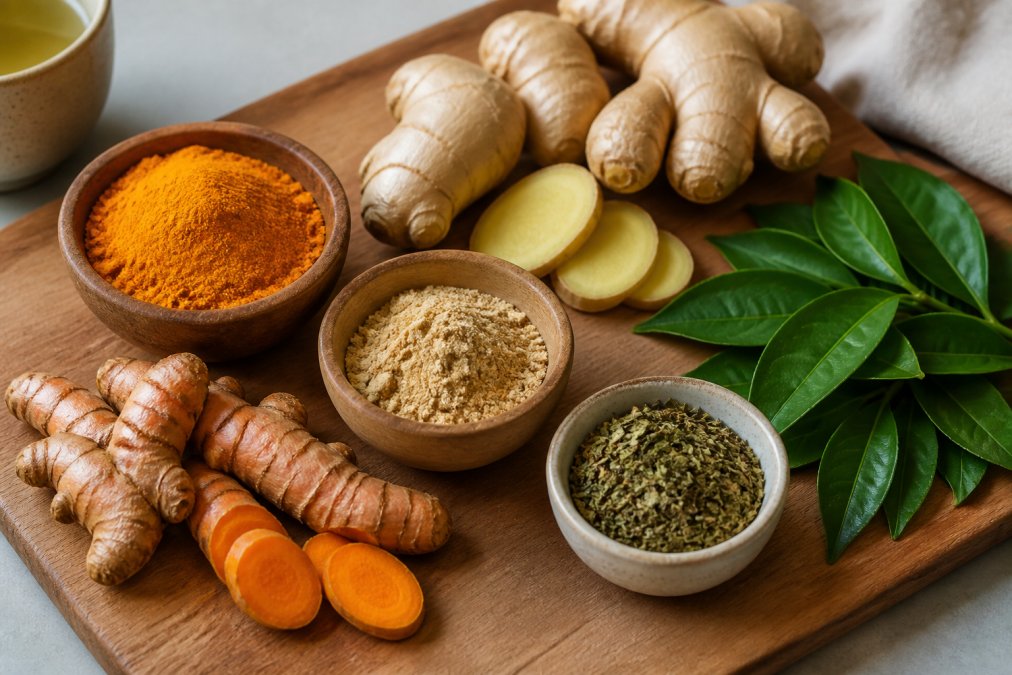
Turmeric, ginger, boswellia, and green tea are the most studied kitchen and herbal options for calming inflammation. Each works through different pathways, so rotating them tends to beat relying on any single one. Here is how they compare.
Remedy | Active Compound | Traditional Use | Practical Note |
|---|---|---|---|
Turmeric | Curcumin | Joint comfort, digestion | Pair with black pepper for absorption |
Ginger | Gingerols | Nausea, muscle soreness | Fresh or dried both work |
Boswellia | Boswellic acids | Joint stiffness | Best in standardized extracts |
Green tea | EGCG | Daily antioxidant support | Caffeine-free versions exist |
Turmeric and Curcumin
Curcumin is the compound behind turmeric's reputation, and it is one of the better-researched natural anti-inflammatories. The catch most guides skip: plain turmeric powder contains very little absorbable curcumin. Pairing it with black pepper, or choosing a standardized extract, makes a measurable difference. a review of curcumin in clinical trials found benefits for joint discomfort at higher doses.
Ginger, Boswellia, and Green Tea
Ginger is the most forgiving entry point. A common mistake is treating it as a garnish rather than a daily habit; a thumb-sized piece steeped in hot water each morning is a realistic starting dose. Boswellia, sometimes called Indian frankincense, shows up in joint-focused herbal formulas, though quality varies sharply between brands. Green tea contributes polyphenols and antioxidants that support the broader picture.
Anti-Inflammatory Diet Plan for Beginners
An anti-inflammatory diet plan for beginners does not require an overhaul. It asks you to shift the ratio on your plate: more whole foods, fewer processed ones. The Mediterranean diet remains the closest established template, and it maps neatly onto anti-inflammatory eating without feeling like a restriction plan. What most guides skip is the why behind each food, and the practical structure that makes the shift stick.
The Three-Week Ramp
Week 1, Add, don't subtract. Add one serving of leafy greens to two meals a day. Add a handful of berries to breakfast. Add a fatty fish meal. Adding before removing prevents the deprivation spiral that kills most plans.
Foods to Eat and Why They Work
- Fatty fish (salmon, sardines, mackerel): Rich in omega-3 fatty acids (EPA and DHA), which the body converts into resolvins that actively switch off inflammatory signaling.
- Leafy greens (spinach, kale, Swiss chard): Deliver polyphenols and vitamin K; a common pattern is that people who eat more greens show lower CRP levels.
- Berries (blueberries, strawberries, raspberries): Anthocyanins give berries their color and their anti-inflammatory punch.
- Olive oil (extra virgin): Oleocanthal, a compound in fresh olive oil, works through a pathway similar to ibuprofen, though at a far gentler level.
- Nuts (walnuts, almonds): Walnuts are notably high in omega-3s; almonds contribute vitamin E and magnesium.
- Legumes (lentils, chickpeas, black beans): Among the cheapest fiber-rich foods available, and fiber feeds the gut bacteria that regulate inflammation.
Foods to Limit
- Processed foods high in trans fats (many packaged snacks, some margarines)
- Refined carbohydrates and sugary drinks
- Excessive alcohol
- Deep-fried and charred meats
The Fiber Connection
Fiber is the most underrated lever in anti-inflammatory eating. Gut bacteria ferment fiber into short-chain fatty acids like butyrate, which reinforce the gut lining and calm immune signaling. Most adults get roughly half the recommended 25-35 grams per day. Practical upgrades: swap white rice for brown rice (adds about 2 grams per cup), add a tablespoon of chia or flax to yogurt (adds about 4 grams), and choose whole-grain bread with at least 3 grams of fiber per slice.
A One-Day Starter Template
- Breakfast: Oats with berries, walnuts, and a spoon of ground flax
- Lunch: Large salad with leafy greens, chickpeas, olive oil, and lemon
- Snack: Apple with a small handful of almonds
- Dinner: Baked salmon with roasted broccoli and quinoa
- Drink: Water, herbal tea, or green tea
This is not a rigid prescription, it is a shape to copy. Once the shape feels normal, the specifics become easier to personalize.
How Long Does It Take to Reduce Inflammation?
Most people notice meaningful change in four to twelve weeks of consistent dietary and lifestyle shifts. Early wins, like better sleep quality and less joint stiffness, often arrive in the first month. Deeper changes to inflammation markers such as C-reactive protein take longer, which is why consistency matters more than intensity.
Lifestyle Changes to Lower Inflammation
Diet does roughly half the work. Lifestyle changes to lower inflammation cover the rest, and sleep, stress, hydration, and movement are the levers most people neglect. What is often overlooked is how to measure whether these changes are working, which is where biomarker tracking earns its place.
Sleep: The Recovery Window
Poor sleep quality raises cortisol, the stress hormone that keeps inflammation simmering. A single night of short sleep can measurably raise inflammatory markers the next day; chronic short sleep keeps them elevated. Aim for a consistent bedtime rather than a perfect duration, the body responds to rhythm as much as to hours. A practical target is 7-9 hours with less than a 30-minute variation in bedtime.
Stress: The Cortisol Loop
Chronic stress does the same damage through the same pathway as poor sleep. A ten-minute wind-down routine beats an ambitious meditation habit you never keep. What works: slow breathing (a 4-second inhale, 6-second exhale for five minutes), a short walk without your phone, or writing down tomorrow's tasks to close the mental loop. The goal is not to eliminate stress, it is to interrupt the cortisol spike before it becomes a plateau.
Hydration: The Quiet One
Mild dehydration thickens mucus, slows digestion, and stresses the gut microbiome. Many adults run slightly under without realizing it. A reasonable target is roughly half your body weight in ounces of fluid daily (a 150-pound adult: about 75 ounces), adjusted for heat and activity. Water, herbal tea, and water-rich vegetables all count. Coffee and tea contribute but come with caffeine, which can add to the cortisol load if overdone.
Movement: Dose Matters
Moderate exercise lowers inflammatory markers; excessive intense training without recovery can temporarily raise them. The sweet spot for most people is 150 minutes of moderate activity per week (brisk walking, cycling, swimming) plus two sessions of strength training. Walking after meals is a particularly efficient habit, it blunts post-meal glucose spikes, which are themselves inflammatory triggers.
Tracking Progress: Biomarkers and Budget-Friendly Shopping
You cannot manage what you do not measure. C-reactive protein (CRP) is the most accessible inflammation marker, and a basic blood panel through your doctor gives you a baseline to compare against in three to six months. A high-sensitivity CRP (hs-CRP) test is more sensitive for low-grade chronic inflammation. Other markers worth discussing with a clinician include erythrocyte sedimentation rate (ESR) and, in some cases, homocysteine.
Here is a starter weekly template:
- Two fish meals
- One legume-based dinner
- Daily leafy greens
- Berries three times
- One turmeric or ginger drink daily
- Nuts as your default snack
- 150 minutes of moderate movement
- Consistent bedtime within a 30-minute window
Supplements vs. Whole Foods: What Actually Works
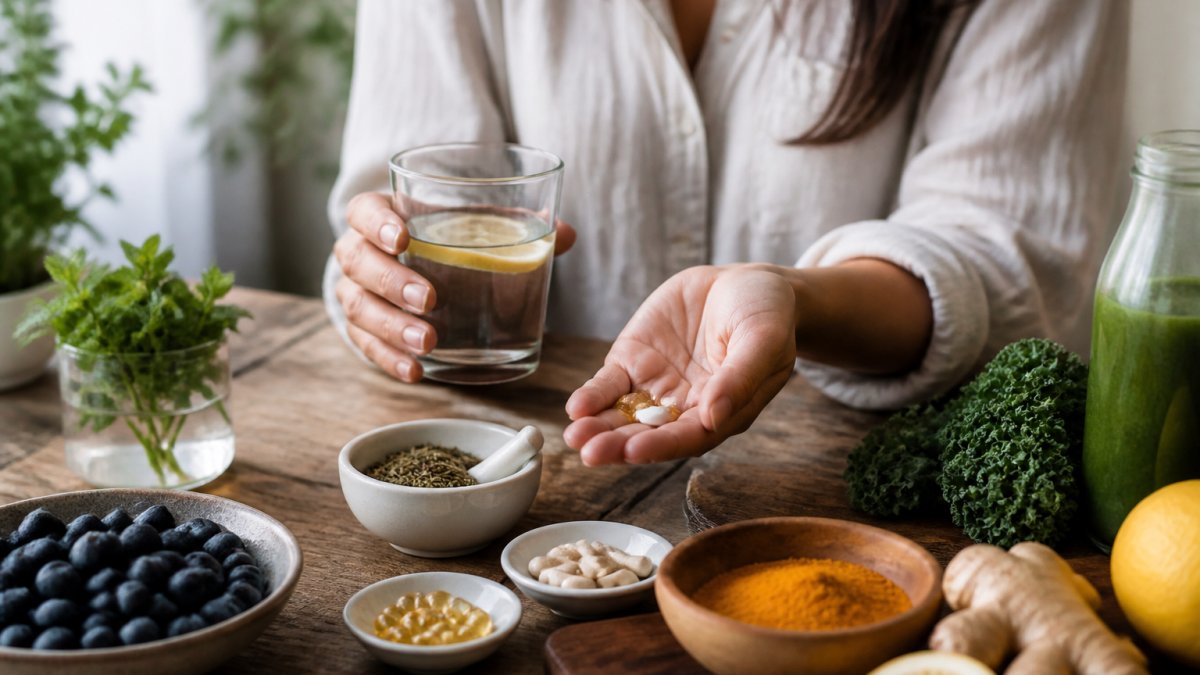
Whole foods should come first, with supplements filling genuine gaps. That ordering matters because food delivers dozens of compounds working together, while a capsule delivers one or two in isolation. A turmeric extract will not compensate for a diet built on refined carbohydrates.
Tracking Progress: Biomarkers and Budget-Friendly Shopping
You cannot manage what you do not measure. C-reactive protein is the most accessible inflammation marker, and a basic blood panel through your doctor gives you a baseline to compare against in three to six months. Symptoms matter too: track joint stiffness, energy, and sleep quality on a simple weekly scale.
Here is a starter weekly template:
- Two fish meals
- One legume-based dinner
- Daily leafy greens
- Berries three times
- One turmeric or ginger drink daily
- Nuts as your default snack
Frequently Asked Questions
How to flush inflammation out of your body naturally?
You cannot literally flush inflammation out, but you can lower it by eating anti-inflammatory foods like leafy greens, fatty fish, and berries, staying hydrated, sleeping 7-9 hours, and managing stress. Reducing processed foods, refined carbohydrates, and trans fats also helps. Herbs such as turmeric and ginger support the immune response. Most people see changes in inflammation markers like C-reactive protein within 4-8 weeks of consistent lifestyle modification, though individual results vary based on overall health and adherence.
What is the strongest natural anti-inflammatory?
Turmeric, specifically its active compound curcumin, is one of the most researched natural anti-inflammatories. Curcumin affects multiple pathways involved in chronic inflammation and oxidative stress. Other strong options include ginger, boswellia, and omega-3 fatty acids from fish oil. No single remedy works for everyone, and whole foods like fatty fish, leafy greens, and berries provide broad support. Pairing turmeric with black pepper improves absorption. If you take blood thinners or have a medical condition, talk to your doctor before starting any supplement.
Can you reverse chronic inflammation in your body?
Chronic inflammation can often be reduced significantly, though "reversing" depends on the underlying cause. Diet changes, regular movement, quality sleep, and stress management lower systemic inflammation over time. Conditions like autoimmune disorders may need medical treatment alongside natural remedies. Tracking inflammation markers such as C-reactive protein with your doctor gives you objective feedback. Many people improve metabolic health and pain management through consistent lifestyle modification, but natural remedies work best as a complement to professional care, not a replacement.
What are the best herbal supplements for systemic inflammation?
Curcumin (from turmeric), ginger, boswellia, and green tea extract are among the most studied herbal supplements for systemic inflammation. Omega-3 fatty acids from fish oil also support the immune response and cellular health. Quality matters: look for third-party testing, clear ingredient sourcing, and dosage guidance. Herbal supplements work gradually, so expect 4-8 weeks before noticing changes. They complement an anti-inflammatory diet rather than replace it. If you take prescription medication, check with your doctor about interactions before adding any herbal supplement.
How does diet impact chronic inflammation levels?
Diet plays a central role in chronic inflammation. A Mediterranean diet rich in omega-3 fatty acids, polyphenols, antioxidants, and fiber-rich whole foods lowers inflammation markers. Processed foods, refined carbohydrates, trans fats, and excess sugar raise them. The glycemic index of your meals matters too; steady blood sugar supports metabolic health. Fiber feeds beneficial gut bacteria, which influences systemic inflammation. Beginners can start by adding one anti-inflammatory meal per day and reducing sugary drinks. Small, consistent changes beat drastic overhauls.
Can natural remedies complement my doctor's treatment for chronic inflammation?
Yes, natural remedies can complement medical care when used thoughtfully. Anti-inflammatory foods, herbs like turmeric and ginger, better sleep, and stress reduction support your body alongside prescribed treatments. Always tell your doctor about any herbs, extracts, or supplements you take, because some interact with medications like blood thinners or immunosuppressants. Natural approaches are not a replacement for professional care. Think of them as lifestyle modification that supports pain management, immune response, and overall wellness while your doctor manages the clinical side.